Veneers Calabasas CA and Your Dream Smile Timeline

A great smile makeover rarely happens in a single sitting, even when the final result looks effortless. Patients often arrive asking one version of the same question: how long will it take before I can see my new smile? That is a fair question, especially in a place like Calabasas, where people are busy, visible, and often balancing work, family, social commitments, and camera-ready expectations. The short answer is that veneers can move quickly, but the best cases move thoughtfully.
When people search for Veneers Calabasas CA, they are usually looking for more than a cosmetic procedure. They want a plan. They want to know how many appointments they will need, whether temporary veneers will be obvious, how long they must wait after whitening, and whether they can schedule treatment around an event such as a wedding, reunion, audition, or professional photo shoot. The timeline matters because smile design is part health care, part craftsmanship, and part personal transformation.
The most successful veneer cases share one thing in common: the patient understands what happens at each phase. Once expectations are realistic, the process feels smoother and the end result tends to be stronger, both aesthetically and functionally.
The real answer to “how long do veneers take?”
For many patients, the complete veneer process takes about two to six weeks from records to final placement. That range can shift. A very straightforward case with healthy gums, stable bite, and clear cosmetic goals may move faster. A more complex case involving gum inflammation, old bonding, bite wear, clenching, or uncertainty about shape and shade may need more time.
That timeline also depends on the type of veneers being planned. Porcelain veneers usually require at least two major visits plus lab time. Composite veneers may be completed faster in select cases, sometimes in one extended appointment or over two visits, but they are not always the right choice for someone seeking the stain resistance, surface texture, and longevity that porcelain can provide.
Patients are often surprised that much of the timeline is not about the actual bonding appointment. It is about diagnosis, planning, communication with the lab, and making sure the smile fits the face rather than simply looking white and straight. Those steps do not exist to slow the process down. They exist to prevent the classic regrets: teeth that look too bulky, a color that feels flat, edges that seem too youthful or too severe, or a bite that feels “off” every time the patient chews.
The consultation is more important than people think
The veneer clock usually starts with a consultation, but that word can sound smaller than it really is. A proper veneer consultation is not just a quick look and a price estimate. It is the appointment where a dentist decides whether veneers are even the best option.
Sometimes they are. Sometimes a patient asking for veneers really needs whitening, orthodontic alignment, enamel recontouring, or replacement of a few old restorations. In other cases, a person wants veneers because of discoloration, chips, short teeth, worn edges, spaces, or a mismatch in tooth proportions. The dentist has to sort out what is cosmetic and what is structural.
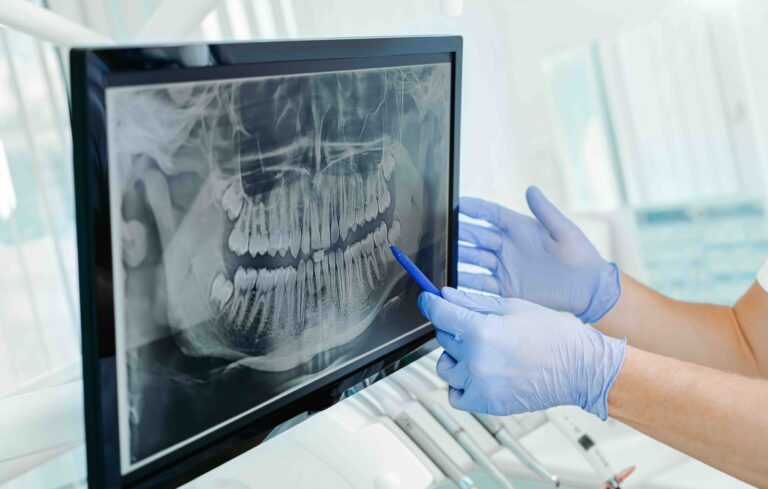
At this visit, photos are usually taken, and often digital scans or impressions as well. The dentist evaluates enamel quality, gum symmetry, bite forces, and how the upper teeth show when the patient talks and smiles. That last detail matters more than most people realize. Two smiles can look similar in a still photo and completely different in motion.
I have seen patients bring in inspiration pictures with very polished, bright smiles that looked excellent on the person in the photo but would have been wrong for their own facial features. A skilled veneer plan respects face shape, lip dynamics, age, skin tone, and personality. Some people truly want a high-impact Hollywood finish. Others want friends to notice they look better without realizing dental work was done. Both goals are valid, but they lead to different design choices, and that affects timing.
If the gums are inflamed, if there is active decay, or if bite issues need attention, those problems are handled before veneer preparation starts. This can add days or weeks, but it protects the final outcome.
Smile design happens before teeth are touched
One of the biggest misconceptions about veneers is that the dentist prepares the teeth first and makes design decisions later. In the best cases, the opposite happens. The smile is designed before any enamel is reduced.
That design phase may include digital smile planning, diagnostic wax-ups, mock-ups, or a combination of all three. Not every office uses the same workflow, and not every patient needs the same level of preview. A minor case involving two veneers on lateral incisors looks very different from a ten-unit upper smile makeover.
In Calabasas, many veneer patients are highly image-aware. They have seen enough cosmetic dentistry online to know what they do not want. They may say they want “natural,” but natural can mean softly textured enamel to one person and a very bright yet believable finish to another. This is why mock-ups can be so useful. They allow patients to preview the proposed length and shape directly in the mouth before the definitive veneers are made.
That preview stage may add an appointment, but it often saves time emotionally. It is much easier to adjust a design at the mock-up stage than after porcelain has been fabricated. Patients who take this stage seriously usually feel calmer on delivery day because they are not seeing the smile concept for the first time.
Tooth preparation is usually not the longest visit, but it is a pivotal one
Once the design is approved and the teeth are ready, the preparation visit is scheduled. Depending on the number of veneers, this appointment may take a couple of hours or longer. The dentist reshapes the front surface of the teeth conservatively so the porcelain can sit naturally and not look bulky. In some cases, minimal-prep or no-prep veneers may be discussed, but those are not universal solutions. They work best in very specific situations, usually where there is room to add material without making the teeth protrusive.
The most important phrase here is conservative preparation. Good veneers should preserve as much healthy tooth structure as possible while still allowing enough space for proper esthetics and strength. Over-preparing teeth can create problems. Under-preparing can create a thick, artificial look. That balance comes from experience and planning.
After preparation, new scans or impressions are taken and sent to the lab. The dentist also records shade information, shape notes, and texture preferences. High-level cosmetic cases often involve detailed communication with the ceramist, because porcelain artistry is not one-size-fits-all. Surface luster, incisal translucency, brightness, and edge character can all be customized.
Temporary veneers are usually placed the same day.
The temporary phase tells you a lot
Temporary veneers are not just placeholders. They are a live test drive. Patients wear them during normal speaking, smiling, and eating, and that experience often reveals things no static photo can show.
A patient may realize the front teeth feel half a millimeter too long when pronouncing certain words. Another may decide the central incisors should look a touch softer at the corners. Someone else may love the shape but want a slightly warmer shade in the final porcelain so the smile harmonizes better with complexion and age.
This period commonly lasts one to two weeks, depending on the lab schedule and case complexity. Some offices can turn work around faster, especially with in-house technology or close lab coordination, but rushing this stage can be a mistake if changes are still being considered.
Temporaries also help the dentist evaluate bite comfort and tissue response. If the gums look irritated around the temporary margins, that information matters. If a patient is clenching and chipping temporaries, that matters too. These are not small details. They influence how the final veneers should be shaped and how the patient should be protected afterward, often with a night guard.
Patients sometimes worry that temporary veneers will look obviously fake. In reality, well-made temporaries can look quite good, though they usually do not have the same depth, polish, and translucency as final porcelain. Most people can function socially and professionally without concern during this phase.
Lab time is where artistry happens
The dental laboratory stage is the least visible part of the timeline, yet it is where much of the magic happens. Porcelain veneers are not simply printed and glued on. Even when digital workflows are involved, esthetic success depends on the ceramist’s judgment.
This phase can take anywhere from several business days to two weeks or more, depending on the lab, the complexity of the case, and whether custom characterization is being added. If the case is large or highly detailed, more time is often a good sign, not a bad one.
A common patient question is whether a faster turnaround means better technology. Not necessarily. Speed can be helpful, but cosmetic dentistry is not like ordering glasses overnight. The best veneer cases are calibrated. Shade, contour, and texture are balanced intentionally. If a patient is preparing for a major event, the smart move is to start early rather than compress the lab phase to the point that revisions become stressful.
The delivery appointment is exciting, but it is also meticulous
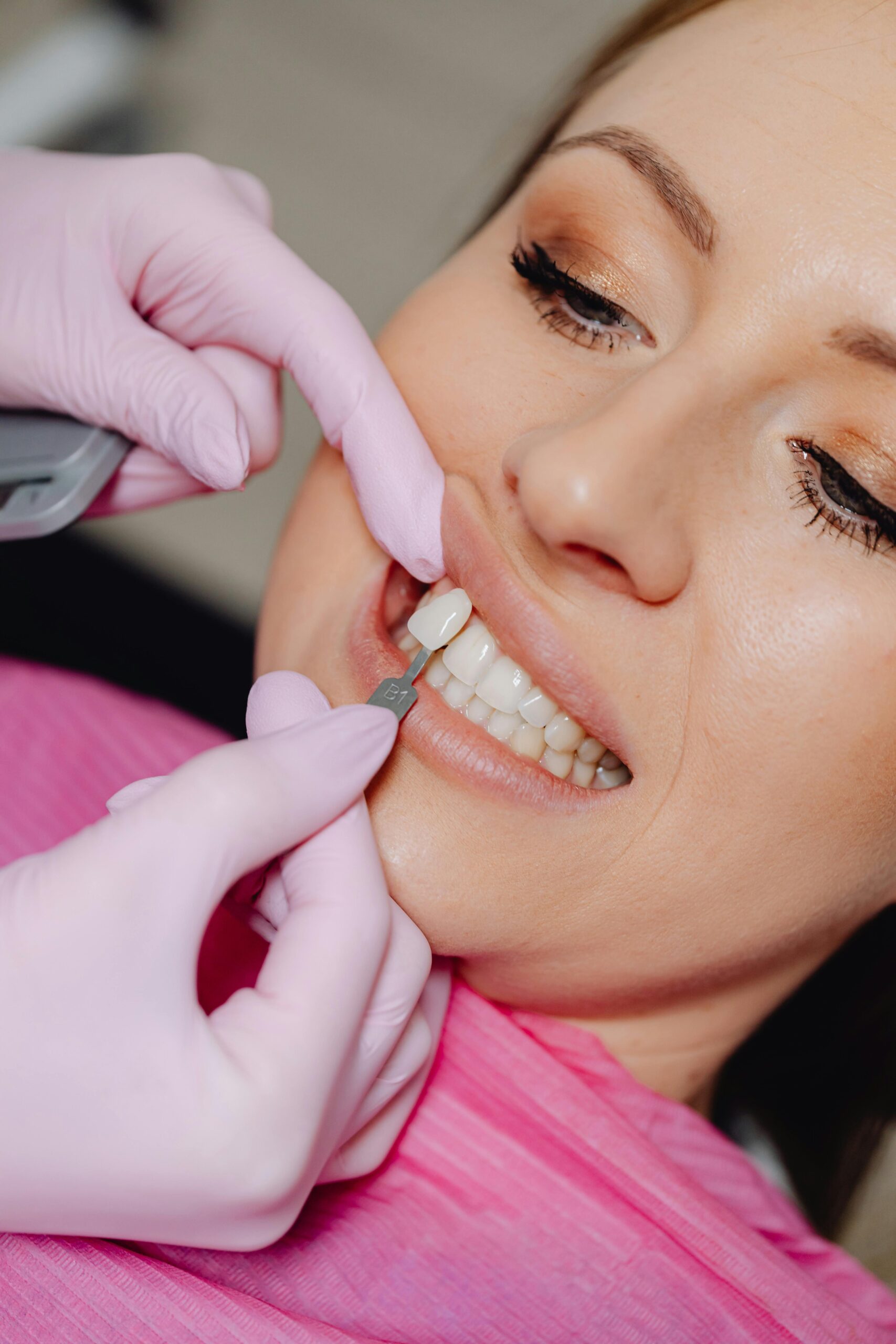
When the final veneers come back, patients often expect a simple cementation visit. In truth, this appointment is highly detailed. Before anything is permanently bonded, the veneers are typically tried in so the dentist and patient can evaluate fit, shape, and esthetics. Special try-in pastes may be used to simulate the final cement effect.
This is the moment for careful observation. Does the smile look balanced at rest and in motion? Do the two central incisors match properly without looking unnaturally identical? Is the brightness right in natural light? Does the lip support feel flattering? A seasoned dentist will look from several angles, not just head-on.
If everyone is satisfied, the veneers are bonded using a precise adhesive protocol. This step is technique-sensitive. Isolation, surface treatment, cement handling, and clean-up all matter. Once bonded, the bite is checked and refined. Tiny bite discrepancies can feel large to a patient, so this finishing stage should never be rushed.
Many patients leave that appointment thrilled, but there is still an adjustment period. Even beautifully done veneers can feel “new” for several days because the edges, contours, and surface textures are different from what the tongue has known for years.
What can slow the process down?
People often assume delays come from scheduling alone. Scheduling is only part of it. Several factors can stretch the dream smile timeline, and most of them are reasonable.
Gum health is a big one. If the tissues are puffy or bleeding, final impressions and margin accuracy can suffer. Whitening plans can also change timing. If a patient wants to whiten nearby natural teeth before matching veneer shade, that should happen first, usually with enough time for the color to https://privatebin.net/?54842f504ff3bd22#GceFGZGkhQk4FCgA7ZEc3vsxt4i6Hno7rYn87Zrregct stabilize. Existing dental work can complicate matters too. Old crowns, dark bonding, uneven enamel, or root canal discoloration may require additional planning.
Bite issues are another major factor. A person who grinds aggressively may be an excellent veneer candidate, but only if the bite is managed thoughtfully and post-treatment protection is built in. It is far better to add a week for proper planning than to rush and deal with fractures later.
Then there is the human element. Some patients know exactly what they want. Others need time to decide how white is too white, how long is too long, or whether they prefer a more youthful edge design or a more refined adult look. That indecision is normal. Veneers are visible every day. Taking a little longer at the design phase often prevents permanent second-guessing.
A realistic timeline for many Veneers cases
Although every case differs, a common porcelain veneer timeline often looks something like this in real life:
- Consultation and records, with photos, scans, and treatment planning.
- Smile design and approval, sometimes including a wax-up or mock-up.
- Preparation appointment and placement of temporary veneers.
- Lab fabrication period, with the patient wearing temporaries.
- Final try-in, bonding, bite refinement, and follow-up.
That sequence can happen in as little as two to three weeks for a straightforward case with smooth scheduling. More often, a measured plan lands closer to three to six weeks. If there are restorative needs before cosmetics begin, or if the patient wants several preview stages, it can take longer.
If you have a deadline, work backward
This is one of the most practical pieces of advice for anyone planning Veneers around a major date. If you have a wedding, graduation, speaking engagement, or photo-heavy event, do not aim to finish the week before. Build in cushion.
A smart target is to have final veneers bonded at least two to four weeks before the event when possible. That gives time for bite refinements, soft tissue settling, speech adjustment, and the small psychological shift that comes with seeing a new smile in the mirror every morning. Most patients adapt quickly, but very few regret having extra breathing room.
I have known patients who wanted veneers done days before a destination wedding. Even when the dentistry itself went well, the timeline created unnecessary tension. A tiny temporary issue, a shipping delay, or a last-minute shade question feels much bigger when there is no margin. Cosmetic dentistry should feel exciting, not frantic.
Cost, value, and why the cheapest timeline can be expensive later
People searching for Veneers Calabasas CA often compare speed and cost side by side. That makes sense, but those two things can be misleading if taken alone. The fastest option is not always the most efficient, and the cheapest option can become expensive if the veneers need replacement early or if the esthetics miss the mark.
Value in veneer treatment comes from planning, conservative technique, material quality, lab artistry, and follow-up care. A dentist who invests time in records, mock-ups, and bite analysis is not wasting time. They are reducing the chance of remakes and disappointment.
Patients rarely complain that too much care was taken with a visible cosmetic result. They do complain when they feel rushed into a smile that does not suit them.
Life with veneers after the final appointment
Once the veneers are bonded, the timeline shifts from treatment to maintenance. The first few days are usually about adaptation. The first few months are about habit. After that, success depends heavily on home care and protective habits.
Porcelain veneers are durable, but they are not indestructible. They can chip under enough force, especially if a patient uses teeth to open packaging, chews ice routinely, or grinds at night without protection. Good brushing, flossing, and regular hygiene visits remain essential because veneers cover the front surfaces of teeth, not the entire tooth or the gums around them.
Most patients with porcelain veneers do well for many years. Longevity varies based on bite forces, oral hygiene, preparation design, and material choices. If someone asks for a hard number, the honest answer is usually a range rather than a promise. Many veneers look and function beautifully for a decade or longer, but that does not mean every case will age the same way.
Questions worth asking before you start
The quality of the veneer journey often depends on the questions asked early. Before committing, patients should understand the philosophy behind the treatment. Here are some of the most useful questions to bring to a consultation:
- Am I a good candidate for veneers, or would another treatment meet my goals better?
- How many veneers do you recommend, and why that number?
- Will I be able to preview the shape and length before final bonding?
- What should I expect from temporary veneers during the waiting period?
- How will my bite and grinding habits affect the final plan?
Those questions invite real discussion. They also reveal whether the treatment is being customized or simply sold.
The dream smile timeline should fit your face, not just your calendar
There is a reason the best veneer makeovers feel seamless when you see them. They are not assembled in a hurry. They are designed with intention. The timeline for a dream smile is not simply the gap between your first appointment and the bonding visit. It includes diagnostic judgment, design clarity, communication, and the patience to make small corrections before they become lasting problems.
For patients considering Veneers Calabasas CA, that matters. This is a treatment where detail shows. A smile lives in conversation, in laughter, in photographs, and in quiet moments when confidence returns. The right timeline leaves room for precision, not just speed.
If your goal is a smile that feels natural, strong, and unmistakably yours, the best question is not “How fast can this be done?” It is “How should this be done well?” Once that question leads the process, the timeline usually takes care of itself.
Oaks Dental
Address: 5000 Parkway Calabasas Ste 308, Calabasas, CA 91302
Phone number: +18184312000
FAQ About Veneers Calabasas CA
How much do veneers actually cost?
In the United States, dental veneers generally cost between $250 and $2,500 per tooth, while a full set typically runs anywhere from $6,000 to $25,000. Because the procedure is classified as cosmetic and elective, dental insurance almost never covers it.
How long do dental veneers last?
Dental veneers last a long time, but they are not permanent. They mainly depend on two key types: porcelain veneers and composite veneers. On average, porcelain types last 10 to 15 years, while composite types last 5 to 7 years before they need a fix or a new set.
What is the downside of having veneers?
The main downsides of dental veneers are that the process is permanent, they can cause tooth sensitivity, and they are costly to replace.