Top Reasons Patients Choose Dental Implants
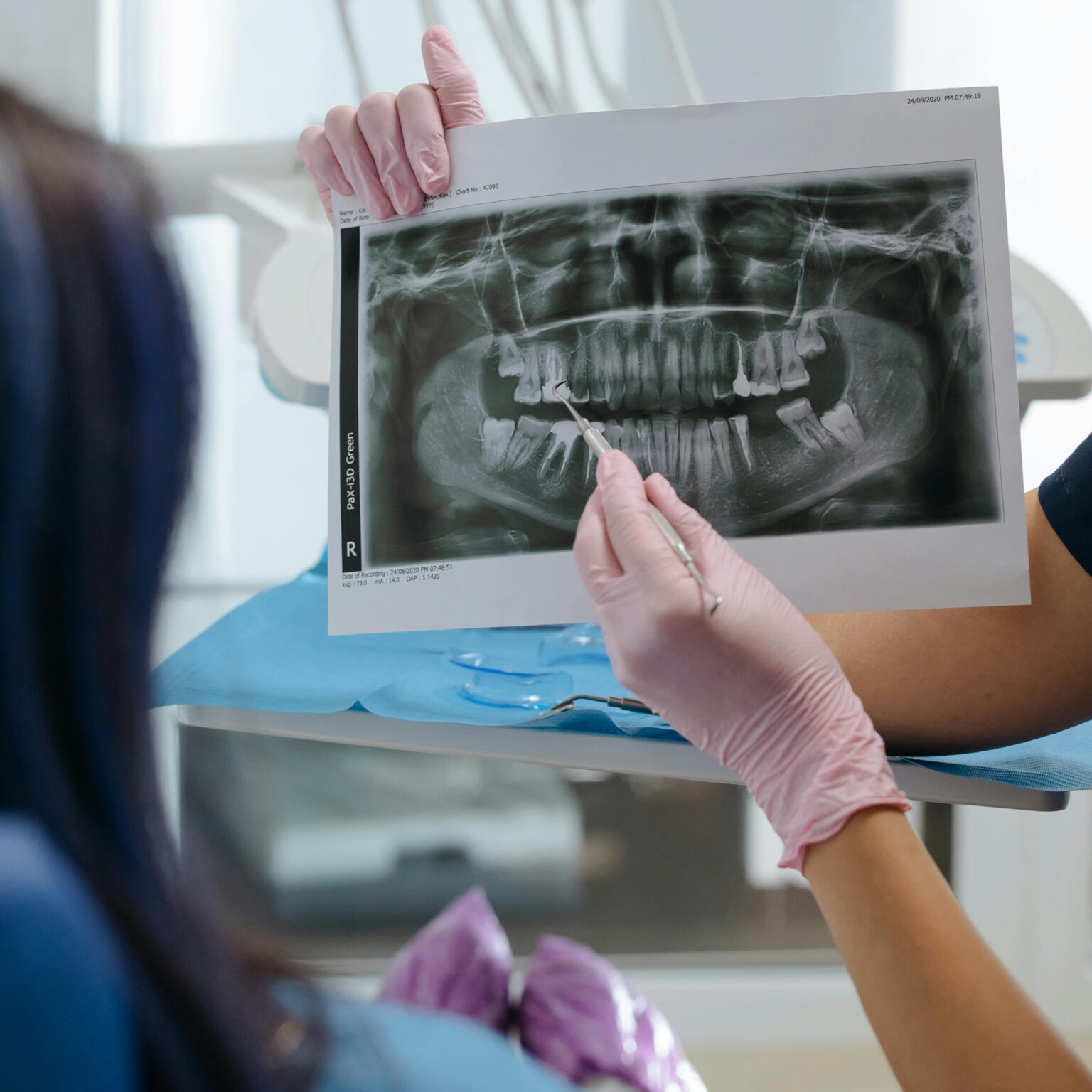
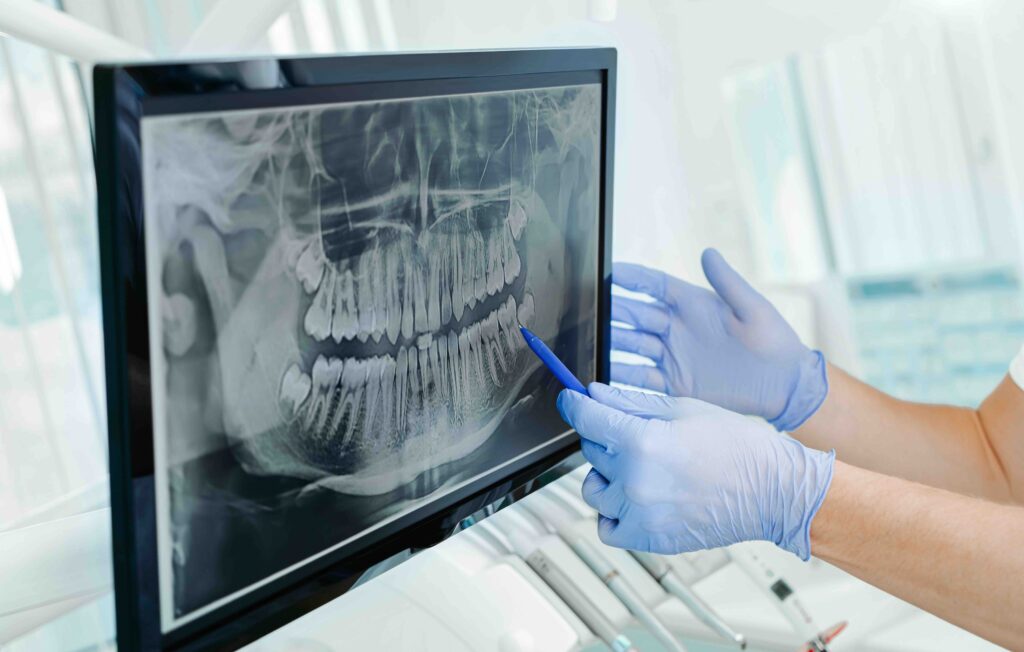
Losing a tooth changes more than a smile. It affects the way a person eats, speaks, laughs, and, in many cases, the way they carry themselves in a room. Over the years, many restorative options have helped patients replace missing teeth, but dental implants continue to stand out for one simple reason: they solve several problems at once. They are not just about filling a gap. They are about stability, function, appearance, and long-term oral health.
When patients sit down for a consultation, their priorities vary. One person wants to chew comfortably again after years of avoiding steak or apples. Another is tired of a loose denture shifting during conversation. Someone else is focused on preserving bone after losing a front tooth in an accident. The reasons differ, but the pattern is consistent. People often choose dental implants because they offer the closest thing to getting a natural tooth back.
Why implants feel like a more complete solution
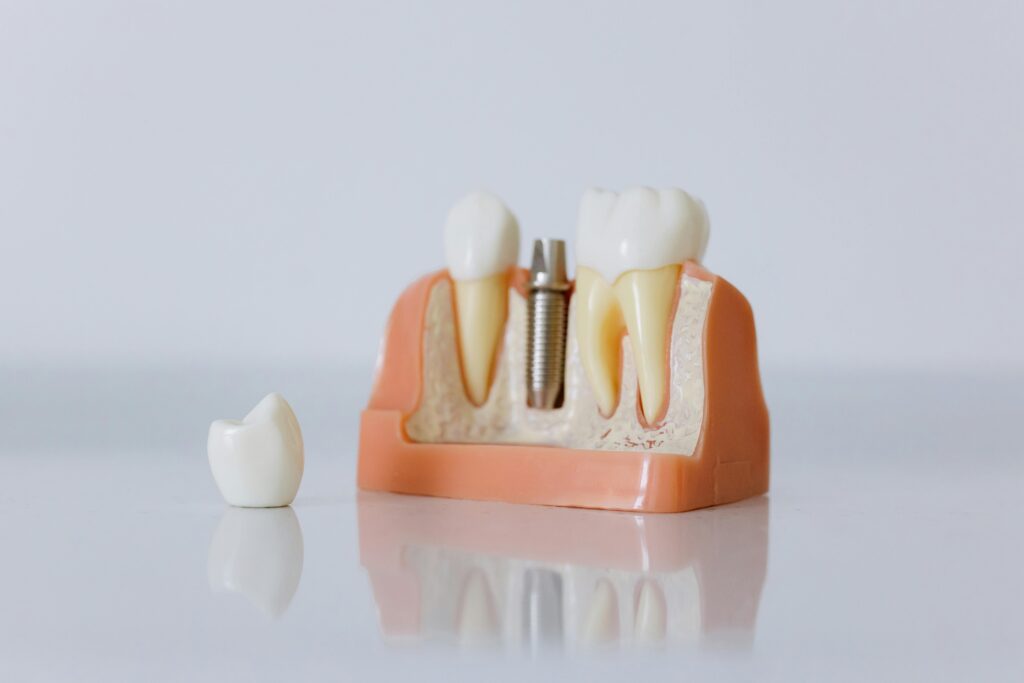
A bridge can replace a missing tooth. A denture can replace several or even a full arch. Both still have an important place in dentistry. Yet implants are often preferred because they replace not only the visible crown but also the root structure beneath the gumline. That matters more than most people realize.
A natural tooth is anchored in bone. Every time a person bites and chews, pressure travels through the root and stimulates the jaw. Once a tooth is lost, that stimulation declines. Over time, the body begins to resorb, or shrink, the unused bone in that area. This is one of the quiet consequences of tooth loss. It does not happen overnight, but it happens steadily enough that it can affect facial structure, neighboring teeth, and future treatment options.
Dental implants help address this issue because they are placed into the jawbone, where they can integrate with the bone and function as an anchor. Patients are often drawn to this root-level replacement because it feels more complete. Instead of simply covering the space, the treatment supports the underlying structures that keep the mouth healthy and functional.
That distinction becomes especially important when a patient is relatively young or expects the restoration to serve them for many years. A 35-year-old who loses a molar may not want a solution that needs frequent adjustment or one that compromises adjacent teeth. Even patients in their 60s and 70s often say the same thing in different words: if they are going to fix it, they want to fix it properly.
Patients want to chew without thinking about it
Function is one of the strongest reasons people choose dental implants. Eating should be automatic. When a tooth is missing, that ease disappears. Some patients start chewing on one side only. Others avoid crunchy foods, harder meats, nuts, or bread with a firm crust. Denture wearers often become experts at quietly adapting their diets, even when they do not realize how much they have changed their habits.
An implant-supported tooth is generally far more stable than a removable option. Once healed and restored, it allows many patients to bite with confidence in a way that feels familiar and secure. This does not mean every implant restores full natural bite force in every situation, because the specifics depend on bone quality, location in the mouth, the restoration design, and the patient’s overall oral health. Still, from a practical standpoint, patients often notice a meaningful difference. They stop planning meals around what is easiest to chew.
The emotional impact of that should not be underestimated. I have seen patients light up when they talk about eating corn on the cob again, or biting into a sandwich without needing to tear it into careful pieces. Those sound like small victories until you realize how daily and personal they are. A good restorative result is not always dramatic from the outside. Sometimes it is simply the return of ordinary comfort.
The appeal of stability over removable appliances
Comfort is not only about chewing. It is also about not worrying. Traditional removable dentures can work very well for some patients, especially when finances, anatomy, or medical history make implants less practical. But even well-made dentures have limitations. They can rub sore spots, lose retention as the ridge changes shape, and require periodic relining. Lower dentures, in particular, tend to be more challenging because the lower jaw offers less broad surface area for suction than the upper arch.
Patients who have lived with a shifting denture often describe a constant low-grade awareness of it. They think about adhesive. They think about whether it might lift when speaking. They think about taking it out at night and storing it. For many, dental implants reduce that mental burden.
Even two well-placed implants can dramatically improve retention for a lower denture. For others, a fixed implant-supported restoration offers the greatest sense of normalcy. The decision depends on anatomy, budget, and goals, but the common thread is clear: patients value stability. They want their teeth to stay where they are supposed to stay.
Preserving neighboring teeth matters more than patients expect
One of the most practical reasons patients choose dental implants is that an implant can often replace a missing tooth without relying on the teeth next to it. That sounds technical, but the implication is easy to understand.
A conventional bridge typically requires preparation of the neighboring teeth so crowns can support the replacement tooth between them. If those adjacent teeth are heavily restored already, a bridge may still be an excellent option. But if they are healthy and intact, many patients hesitate to have them reduced. That hesitation is reasonable.
An implant-supported crown usually stands independently. It does not need to be attached to the tooth in front or behind it. This conservative aspect often resonates with patients once they understand it. They are not only replacing what was lost, they are avoiding unnecessary treatment elsewhere.
This becomes especially relevant in single-tooth cases. A patient who lost one premolar in a sports injury may have pristine teeth on either side. Once they hear that an implant may allow those neighboring teeth to remain untouched, the decision often becomes much easier.
Appearance is not vanity, it is part of feeling whole
Some people are candid about aesthetics from the beginning. Others minimize it, then circle back to it later. Either way, appearance is a major factor. A missing front tooth affects confidence in a way that is hard to overstate. Patients often change how they smile, angle their face in photos, or cover their mouth when speaking. Even those with missing teeth in less visible areas may feel older than they are, or worry that their oral health looks neglected.
Dental implants are popular because, when properly planned and restored, they can look remarkably natural. The restoration emerges from the gum rather than sitting over it like a removable appliance. With careful attention to tissue contours, shade, shape, and symmetry, the final result can blend seamlessly with the rest of the smile.
Of course, aesthetics around implants require judgment and precision. Front-tooth cases can be demanding, especially when bone or gum tissue has already receded. Patients should know that the most beautiful outcomes usually come from detailed planning, sometimes including grafting or temporary restorations to shape the soft tissue. Those steps take time, but they are often worth it. The patients who prioritize a natural appearance usually appreciate that implants, handled thoughtfully, offer a level of realism that other options may struggle to match.
Bone preservation is a quiet but persuasive benefit
Patients do not always come in asking about jawbone preservation. Dental Implants Most have never heard much about it until a dentist explains it. Yet once they understand the issue, it frequently influences their decision.
After tooth loss, the bone in that area often starts to shrink. This can create both cosmetic and functional problems. In the back of the mouth, bone loss can limit future implant placement or complicate other treatment. In the front, it may affect the contour of the gum and lip support. In full-arch cases, progressive bone loss can contribute to dentures feeling looser over time.
Because dental implants engage the bone, they can help preserve it better than restorations that sit entirely above the gumline. This does not mean bone loss is eliminated in every case, or that implants require no maintenance. Peri-implant health is real, and inflammation around implants can lead to bone loss if hygiene is poor or follow-up care is neglected. Still, compared with doing nothing after a tooth is lost, or choosing an option that does not replace the root, implants often offer a meaningful biologic advantage.
For many patients, this is the moment when the conversation shifts from price to value. They begin to see the treatment not as a cosmetic add-on, but as a way to protect the foundation of the mouth over time.
Long-term value often outweighs the higher initial cost
No honest discussion of dental implants can avoid cost. Implants usually require a higher upfront investment than bridges or dentures. That can feel intimidating, and for some patients it is the deciding factor. Not every good treatment plan is affordable to every person at the moment they need it.
Still, many patients choose implants because they think in longer time horizons. They look at the likely maintenance needs of removable appliances, the possibility of replacing a bridge down the road, or the cost of managing further complications related to bone loss or damaged neighboring teeth. They also consider quality of life. A treatment that works better every day for many years may make more financial sense to them than a cheaper option that carries more limitations.
The right framing is not that implants are always the best financial choice in every case. That would be too simplistic. Rather, implants are often chosen by patients who want durability and are willing to invest accordingly. They see the procedure as a long-term oral health decision, not just a short-term repair.
The timeline feels manageable when patients understand it
One barrier to treatment is the assumption that implants take forever. They do take time, but the timeline is often more manageable than patients expect once it is explained clearly. In some situations, an implant can be placed soon after extraction. In others, the site needs healing first. Bone grafting may be recommended if volume is limited. After placement, the implant generally needs a healing period before the final restoration is attached.
This staged process can actually reassure patients. It means the treatment is being allowed to heal properly, rather than rushed. Temporary solutions can often maintain appearance and function in the meantime, particularly for front teeth. Patients who understand the sequence tend to be more comfortable committing to it.
A simple overview often helps:
- Evaluation comes first, including imaging, bite analysis, and a review of health history.
- The site is prepared, which may involve extraction, grafting, or both, depending on the condition of the area.
- The implant is placed and given time to integrate with the bone.
- The final crown, bridge, or denture attachment is completed after healing is confirmed.
- Regular maintenance follows, because implants need professional monitoring just like natural teeth.
When people know what to expect, the process feels less abstract and more achievable.
Patients appreciate that implants can be adapted to many situations
Another reason dental implants are so widely chosen is their versatility. They can replace one missing tooth, several missing teeth, or support a full-arch restoration. That flexibility makes them relevant to a broad range of patients.
Someone missing a single molar may want a discreet, fixed solution that preserves adjacent teeth. A patient missing several teeth in one area may use implants to support a bridge. An older adult struggling with a lower denture may not be ready for a fixed full-arch case, but may find that two to four implants transform day-to-day comfort. These are very different treatment goals, yet implants can be tailored to each one.
This adaptability also allows clinicians to balance ideal treatment with practical limitations. Not every patient has abundant bone or unlimited budget. Sometimes a phased approach makes sense. Sometimes the best result is not the most extensive one, but the most realistic one that the patient can maintain well. Patients respond positively to treatment that meets them where they are rather than forcing a one-size-fits-all plan.
Confidence changes after teeth are restored
The psychological side of missing teeth is easy to overlook if you only focus on the mechanics of replacement. Yet confidence is often what patients remember most after treatment.
A patient who has hidden a side smile for years will notice the difference when they stop thinking about it. A patient who has avoided social dinners may become more relaxed in public. Someone who felt prematurely aged by a removable denture may look and feel more like themselves again. These changes are hard to capture in radiographs or treatment notes, but they matter.
What is striking is that confidence usually returns quietly. Patients do not always describe it in dramatic terms. They say things like, “I forgot it was there,” or “I don’t think about my teeth anymore.” In restorative dentistry, that is high praise. The best work often becomes invisible in the patient’s daily life.
Not every patient is an immediate candidate, and that honesty builds trust
One reason patients ultimately feel comfortable choosing dental implants is that a careful dentist will also explain when implants are not straightforward. Good case selection matters. Smokers, patients with uncontrolled diabetes, those with active periodontal disease, or individuals with certain medical conditions may need additional planning and risk management. Some need bone grafting. Others may be better served by a non-implant option, at least for now.
Counterintuitively, these limitations often increase trust rather than reduce interest. Patients are more likely to proceed when they feel the recommendation is tailored and candid, not sales-driven. They appreciate hearing both the benefits and the responsibilities. Implants are not maintenance-free. They require excellent home care, regular professional cleanings, and attention to any signs of inflammation, grinding, or bite changes.
For many patients, the decision becomes stronger after that honest conversation. They are not being promised perfection. They are being offered a well-considered treatment with clear expectations.
What patients tend to value most
When people reflect on why they chose dental implants, their reasons usually fall into a few recurring themes:
- They wanted teeth that felt stable and secure.
- They wanted to protect their jawbone and oral health over time.
- They did not want to compromise neighboring healthy teeth.
- They cared about a natural appearance and clearer speech.
- They wanted a solution that fit daily life with fewer compromises.
These are practical motivations, not abstract ones. They come from lived frustrations and from a desire to stop adapting around a missing tooth.
The decision is personal, but the appeal is easy to understand
Dental care is rarely just clinical. It sits at the intersection of health, comfort, appearance, time, and money. That is why different patients can hear the same treatment options and make different choices. A bridge may be appropriate and welcome in one case. A removable denture may be the right answer in another. Dental implants, though, continue to attract patients because they align so well with what most people want from tooth replacement: something dependable, natural-looking, functional, and lasting.
For the right candidate, an implant is not simply a restoration. It is a return to ordinary life without constant workarounds. No awkward chewing patterns. No worrying about movement. No sacrificing nearby healthy teeth if it can be avoided. No feeling that the mouth is being managed with a temporary fix.
That is the core reason patients choose dental implants. They do not just replace what is visible. They restore confidence in how the mouth works, how the smile looks, and how the future of oral health can be protected. For many people, that combination is hard to beat.
Oaks Dental
5000 Parkway Calabasas Suite 308
Calabasas, CA 91302, United States
+1 818-431-2000
FAQ About Dental Implants
What is the downside of a dental implant?
Implants require surgery and a healing period that can last several months. Possible complications include infection, nerve or sinus injury, damage to nearby teeth and failure to bond with bone. Your dentist should assess your health, bone support and alternatives before recommending treatment.
What do dental implants typically cost?
There is no single price for every implant case. The number of teeth replaced, implant components, final restoration and any grafting or extractions affect the total. Request a written estimate covering every stage and confirm insurance benefits and out-of-pocket costs with the practice.
How long do tooth implants last?
An implant can provide long-term support and may last a lifetime with good oral hygiene and regular dental care, but this is not guaranteed. The crown or other restoration may need replacement sooner. Smoking, gum disease and some health conditions can reduce implant success.