The Best Age to Consider Dental Implants
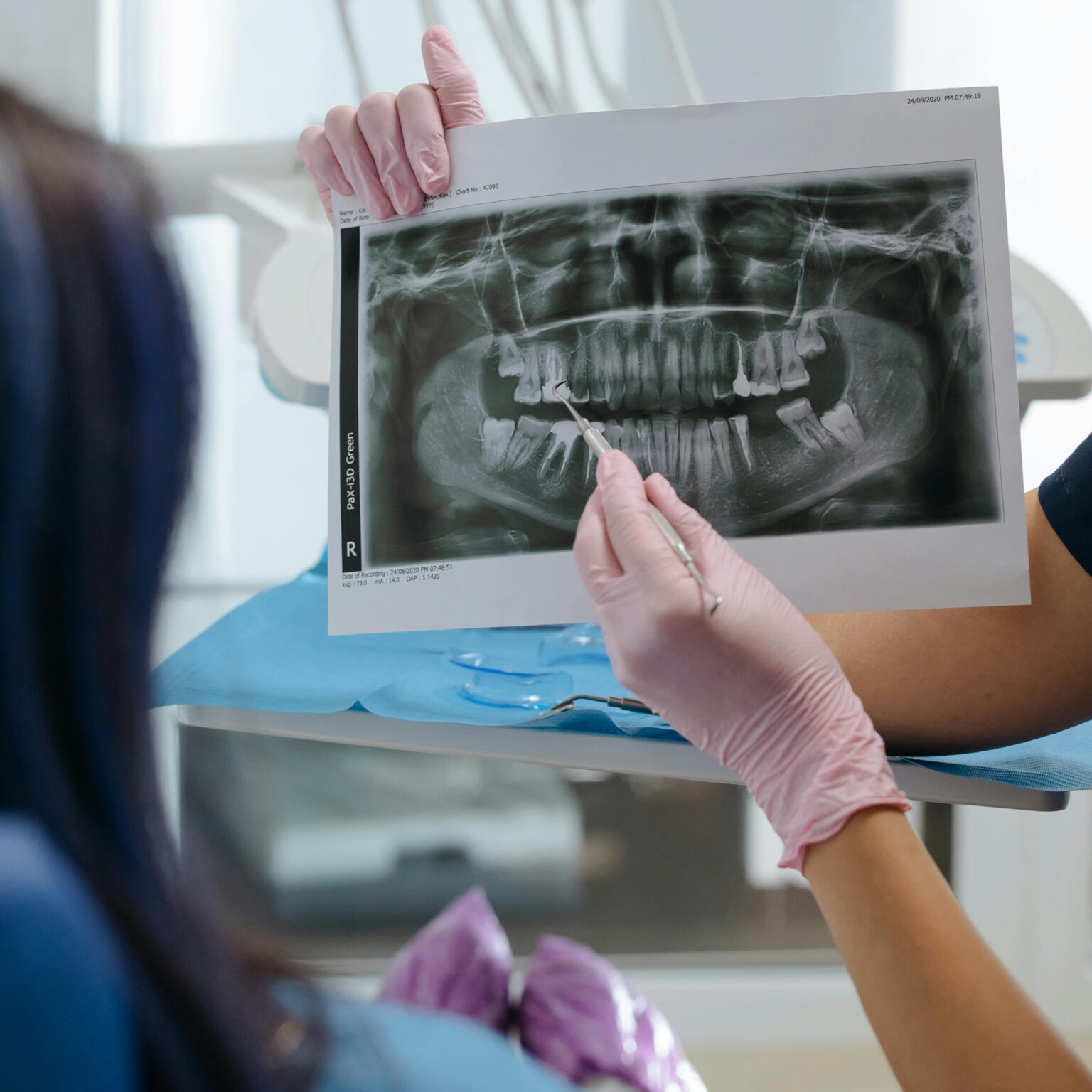
Ask ten people when they should think about dental implants and you will hear ten different answers. Some assume implants are only for older adults. Others believe they are best placed as soon as a tooth is lost, no matter the age. In practice, the timing is more nuanced. Age matters, but not in the simplistic way most people think.
The better question is not, “What is the perfect age?” It is, “At this stage of life, is the mouth, the bone, the bite, and the person ready for a predictable long-term result?” That is how experienced clinicians tend to think about Dental Implants. The answer depends on biology, habits, medical history, and expectations just as much Dental Implants as birth year.
I have seen patients in their twenties who were excellent candidates and patients in their seventies who healed beautifully and enjoyed decades of function. I have also seen younger patients who needed to wait, and older patients who were technically eligible but not ideal because of smoking, uncontrolled diabetes, or severe grinding. Timing matters, but readiness matters more.
Why age enters the conversation at all
A dental implant is not simply a replacement tooth. It is a titanium or ceramic fixture placed into the jawbone to support a crown, bridge, or denture. For it to work well, the surrounding bone has to heal around the implant surface in a process called osseointegration. The gum tissue needs to be healthy. The bite needs to be manageable. And the patient has to be able to maintain it over time.
Age affects several of those variables. In younger people, the concern is usually ongoing jaw growth. In middle age, the conversation often shifts toward preserving bone and replacing missing teeth before neighboring teeth drift or the bite collapses. In older adults, the focus may be on medical stability, healing capacity, and whether implants will meaningfully improve chewing, speech, and comfort.
Chronological age alone rarely decides the case. Biological age, oral condition, and long-term planning carry more weight.
The lower age limit, why teenagers usually need to wait
The one place where age can be a hard stop is in adolescents and some young adults whose jaws are still developing. This is especially important because an implant does not move with the teeth as the jaw and face continue to grow. Natural teeth can erupt and shift over time. An implant remains fixed. If it is placed too early, it can end up looking shorter, sitting out of alignment, or becoming trapped in a position that no longer matches the surrounding teeth.
This is why implant placement is usually delayed until facial and jaw growth are complete. For many girls, that may be in the later teen years. For many boys, growth may continue a bit longer. These are general patterns, not rules. Dentists and oral surgeons often use growth records, clinical exams, and sometimes serial radiographs or cephalometric analysis to judge whether growth has stabilized.
A 17-year-old who loses a front tooth in a sports injury may desperately want the most permanent solution immediately. Emotionally, that is understandable. A missing front tooth affects confidence in a very direct way. But this is one of those moments where patience often protects the final esthetic result. A temporary adhesive bridge, retainer with a tooth, or another provisional option may be wiser until growth is complete.
That waiting period can be frustrating. Still, it is far easier to place an implant at the right time than to manage the esthetic and functional complications of placing it too early.
The sweet spot for many adults
For a large share of patients, the best age to consider Dental Implants falls somewhere in adulthood, often from the late twenties onward, once jaw growth is complete and before years of bone loss create avoidable complications. That does not mean everyone should rush into treatment at 28 or 35. It means this phase of life often offers a favorable balance of healing ability, stable anatomy, and long-term benefit.
When a tooth is lost in adulthood, the body begins remodeling the area. Bone that once supported the tooth gradually shrinks because it no longer receives the same stimulation from chewing. The changes can be subtle at first, then more pronounced. The ridge narrows. The gum contours flatten. Adjacent teeth may tip. Opposing teeth can over-erupt. None of this happens overnight, but months and years matter.
This is one reason many clinicians recommend at least discussing implants sooner rather than later after tooth loss. Early planning can preserve options. Sometimes an implant can be placed shortly after extraction. Sometimes the site needs healing or grafting first. Either way, the conversation is easier when there is still enough bone and tissue to work with.
I have known patients who put off replacing a molar because it was “in the back and no one could see it.” Five or six years later, the same site often became more complex and more expensive to restore. The implant itself was still possible, but the road to get there had grown longer.
Your thirties, forties, and fifties, often an ideal window
These decades are often a practical and biologically favorable time to consider implants. People in this age range commonly lose teeth due to failed root canals, cracks, old large fillings, gum disease, or trauma. By this point, jaw growth is long complete. Healing is usually reliable if general health is good. Most people are also motivated by quality of life, they want to chew comfortably, avoid removable appliances, and preserve adjacent teeth.
A single missing tooth in the forties is a classic example. A conventional bridge may require shaving down two neighboring teeth, even if those teeth are otherwise healthy. An implant can often replace the missing tooth without sacrificing the teeth beside it. That conservative advantage becomes very meaningful over time.
There is also a financial reality. Adults in these decades are often balancing treatment decisions against mortgages, child care, tuition, and work schedules. Some delay implants for budget Dental Implants reasons and choose temporary solutions first. That is understandable. The right plan is not always the fastest plan. What matters is that the delay is managed thoughtfully, with a strategy to preserve bone and maintain function where possible.
Are you ever too old for dental implants?
This is one of the most common fears, and the answer is often reassuring. Many healthy adults in their sixties, seventies, and even eighties can be excellent candidates for dental implants. In fact, older adults may benefit enormously from them, especially when dentures are unstable or chewing has become limited.
Age alone is not the main issue. A robust 78-year-old who walks daily, manages chronic conditions well, and keeps up with oral hygiene may have a better prognosis than a 52-year-old heavy smoker with uncontrolled periodontal disease. What matters most is the overall medical picture, medication profile, bone quality, and ability to heal and maintain the implant.
One of the most satisfying changes I have seen is in patients who move from a loose lower denture to an implant-supported overdenture. The improvement in stability can be dramatic. They often describe a return to normal eating that they had quietly given up on years earlier. Apples, salads, crusty bread, even speaking in public can feel easier and less stressful.
There are, however, more variables to assess in later decades. Bone density may be lower. Dry mouth from medications can complicate oral care. Arthritis can affect dexterity with brushing and flossing. Some patients take bisphosphonates or other medications that deserve careful review before surgery. None of these factors automatically disqualify someone, but they do shape the treatment plan.
The conditions that matter more than age
When dentists evaluate implant candidacy, several questions tend to outweigh the number on the birthday cake.
- Has jaw growth finished?
- Is there enough healthy bone and gum tissue?
- Are gum disease and cavities under control?
- Does the patient smoke, grind heavily, or have uncontrolled medical issues?
- Can the patient maintain follow-up care and oral hygiene long term?
These points may sound straightforward, but each carries real clinical weight. A smoker with excellent bone today may still face a higher risk of healing problems and implant complications than a nonsmoker. A patient with diabetes can still do very well, but good glucose control matters. Someone with untreated periodontal disease can lose bone around implants just as they can around natural teeth. Implants do not get cavities, but they are not immune to neglect.
Bruxism, or heavy clenching and grinding, is another factor people often underestimate. The forces generated by grinding can be extreme. An implant itself is strong, but the crown can chip, screws can loosen, and bone can be stressed if the bite is not designed carefully. In those cases, a night guard and thoughtful restorative planning can make a major difference.
Immediate placement versus waiting
People often hear that implants should be placed immediately after a tooth is extracted. Sometimes that is true and sometimes it is not. Immediate placement can reduce treatment time and may help preserve tissues, especially in carefully selected cases. But it is not automatically superior. If there is active infection, significant bone loss, or a compromised soft tissue situation, delayed placement may be safer and more predictable.
This is where judgment matters. Dentistry is full of treatment options that are technically possible but not always wise in every case. The best timing is the one that gives the patient the highest odds of a healthy, durable result with acceptable esthetics.
A front tooth with a vertical root fracture, intact surrounding bone, and thick gum tissue may be a strong immediate implant case. A badly infected molar with chronic bone loss may be better extracted, grafted, and reassessed after healing. Same procedure category, different biological setting.
Bone loss changes the calendar
If there is one practical lesson many patients wish they had heard sooner, it is this: waiting can narrow options. Once a tooth is removed, the body starts changing the site. That change does not always prevent an implant, but it can turn a relatively straightforward case into one that requires grafting, sinus elevation, or more advanced reconstruction.
This matters particularly in the upper back jaw, where the maxillary sinus limits available bone height, and in the esthetic zone, where even a small collapse in gum contour can affect appearance. A patient may still get an implant later, but the treatment may involve more visits, longer healing, and higher cost.
That does not mean every extraction should be followed by immediate implant placement. It means people should not disappear for five years assuming the situation will stay the same. Even if an implant is not feasible right away, socket preservation grafting or a staged plan can help keep future options open.
Young adults with traumatic tooth loss
One special group deserves separate mention: younger adults who lose teeth from accidents, sports injuries, or congenital absence. These patients often have very different concerns from someone losing a molar to decay at 58. They may be dealing with a visible front tooth, social anxiety, and a strong desire for a seamless result.
For them, timing has both biological and esthetic dimensions. If jaw growth is complete, an implant can be an excellent solution. If growth is still ongoing, temporary prosthetics may need to carry them through. This requires patience and good communication, because the person may feel ready long before the anatomy is ready.
These are also the cases where tissue management becomes critical. The goal is not just to fill a gap. It is to create a tooth replacement that looks natural when the person smiles, laughs, and talks under normal lighting, not just in a dental chair.
Older adults considering full-arch treatment
At the other end of the age spectrum, full-arch implant treatment often enters the picture. Some older adults are tired of dentures that move, rub, or make chewing difficult. Others have teeth that are breaking down one by one, with repeated repairs that no longer feel sensible.
This is where implants can be transformative, but decisions should be grounded in realistic planning. Not every patient needs a fixed full-arch bridge. Some do very well with two or four implants retaining a removable overdenture. That option can be more affordable, easier to clean, and still dramatically better than a conventional denture.
The best choice depends on anatomy, budget, hand skills, expectations, and tolerance for maintenance. A fixed restoration feels closer to natural teeth for many people, but it also requires excellent home care and periodic professional maintenance. An overdenture may be removed for cleaning, which some patients appreciate and others dislike. Neither is inherently right for everyone.
Questions worth asking before you decide
A useful consultation is less about being sold a procedure and more about understanding your long-term prospects. Patients are usually best served when they leave with a clear sense of timing, risk, alternatives, and maintenance needs.
Here are a few questions that tend to reveal whether the planning is thorough:
- Is my jaw growth complete, if I am a younger patient?
- What happens to my bone and bite if I wait a year or two?
- Will I need grafting now, or am I more likely to need it if I delay?
- What are the realistic maintenance requirements for this implant?
- Is there a non-implant option that makes more sense in my case?
Good answers are usually specific. They should refer to your bone levels, your gums, your bite, your health history, and your habits. Generic reassurance is not enough.
The emotional side of timing
Dental decisions are rarely just technical. Losing a tooth can affect confidence, comfort, and even how someone participates in work or family life. I have spoken with people who smiled with their lips closed for years because they were self-conscious about a missing tooth or a removable partial that never felt secure. Others delayed treatment because they were embarrassed to admit how long they had been putting it off.
That emotional layer matters. It can influence whether someone seeks care early, whether they maintain appointments, and how they feel about temporary solutions. The best timing for an implant is not just when the anatomy is favorable. It is also when the patient understands the commitment and is ready to go through the process.
There is no shame in needing time to plan financially or medically. But it helps to make that delay intentional rather than indefinite. A short pause with a clear roadmap is very different from years of drift.
So what is the best age?
For most people, the best age to consider Dental Implants is after jaw growth is complete and before prolonged tooth loss creates unnecessary bone loss and bite changes. That often places the ideal window somewhere in adult life, from the twenties onward. Yet that broad answer only gets you so far.
A healthy 30-year-old with a missing premolar may be a textbook candidate. A 67-year-old with stable health and good bone may be just as suitable. A 19-year-old may need to wait. An 80-year-old may still be an excellent option for implant-retained dentures if the medical and oral conditions support it.
The true decision point is readiness, not age alone. Readiness means stable growth, manageable health conditions, healthy gums, sufficient bone or a plan to rebuild it, and a commitment to long-term maintenance. When those pieces are in place, implants can serve patients exceptionally well across a wide range of ages.
If you are wondering whether now is the right time, the most useful next step is not to search for a magic number. It is to get a careful exam with imaging, discuss what changes if you act now versus later, and weigh the treatment against your goals. That is how you find the best age for you, which is the one that gives you the healthiest, most durable result over time.
Oaks Dental
5000 Parkway Calabasas Suite 308
Calabasas, CA 91302, United States
+1 818-431-2000
FAQ About Dental Implants
What is the downside of a dental implant?
Implants require surgery and a healing period that can last several months. Possible complications include infection, nerve or sinus injury, damage to nearby teeth and failure to bond with bone. Your dentist should assess your health, bone support and alternatives before recommending treatment.
What do dental implants typically cost?
There is no single price for every implant case. The number of teeth replaced, implant components, final restoration and any grafting or extractions affect the total. Request a written estimate covering every stage and confirm insurance benefits and out-of-pocket costs with the practice.
How long do tooth implants last?
An implant can provide long-term support and may last a lifetime with good oral hygiene and regular dental care, but this is not guaranteed. The crown or other restoration may need replacement sooner. Smoking, gum disease and some health conditions can reduce implant success.