Dental Implants Calabasas CA After Tooth Extraction
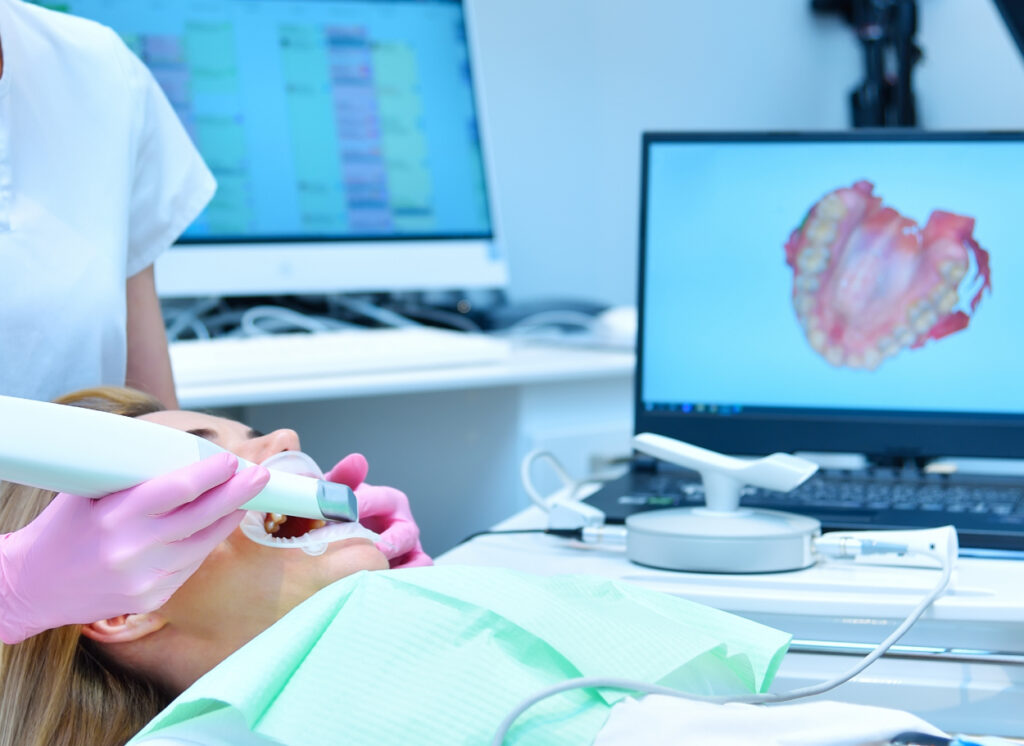
Losing a tooth sets off a chain of decisions that most people never expect to face. The first concern is usually simple and immediate: how do I replace it? Once the extraction site starts healing, that question quickly becomes more specific. Should the implant go in right away, or is it better to wait? Is a bone graft necessary? Will the final tooth look natural in the smile line? For patients exploring Dental Implants Calabasas CA, those are the right questions to ask, and the answers depend on timing, bone quality, gum health, bite forces, and the reason the tooth was lost in the first place.
Dental implants have changed what is possible after extraction. Years ago, many patients were told to wait several months before even discussing a replacement. That approach still has a place in some cases, but modern planning allows for more flexibility. In the right situation, an implant can sometimes be placed the same day the tooth is removed. In other cases, waiting protects the result and lowers the risk of complications. Good treatment planning is not about moving fast or slow for its own sake. It is about choosing the sequence that gives the patient the strongest foundation and the most predictable long-term outcome.
Why timing matters after an extraction
The body begins remodeling the socket almost immediately after a tooth is removed. Bone that once supported the root no longer receives the same stimulation, and the ridge can shrink in width and height during healing. That shrinkage is one reason implant timing matters so much. If too much bone is lost, placing an implant later may require more grafting, more healing, and sometimes a different restorative plan.
Still, faster is not always better. I have seen cases where a patient wanted an immediate implant after a painful fractured tooth, only to discover that infection had damaged the surrounding bone or that the gum tissue was too inflamed to support a stable, esthetic result. In those situations, removing the source of infection, preserving the socket, and allowing soft tissue to calm down often leads to a better implant outcome than rushing the placement.
From a practical standpoint, there are generally three windows dentists consider after extraction: immediate placement on the day of extraction, early placement after a short healing period, and delayed placement after several months. Each can work well when selected for the right case.
When an immediate implant makes sense
An immediate implant can be appealing for obvious reasons. Patients may reduce the total number of surgeries, preserve more of the gum architecture, and shorten the overall timeline. This is especially attractive for a front tooth, where maintaining the natural contour of the gums and supporting bone can make a major difference in how the final crown looks.
The best candidates for immediate placement usually share a few favorable traits. The extracted tooth has enough healthy bone around it to stabilize the implant. The gums are in good condition. Infection, if present, is limited and manageable. The bite can be controlled so the implant is not overloaded during early healing. And just as important, the patient understands that “immediate” does not always mean “finished today.” The implant may go in right away, but the final crown often waits until the bone has integrated securely.
That distinction matters. In cosmetic areas, a temporary tooth can often be placed to maintain appearance, but it may need to stay out of heavy function. Patients hear “same day” and sometimes imagine chewing normally by dinner. That is rarely the reality. The goal is stability and tissue preservation, not speed for marketing value.
Why waiting can be the smarter choice
There are many good reasons to delay implant placement. A tooth lost to deep infection, root fracture below the bone, advanced gum disease, or severe trauma may leave a site that needs repair before an implant can be placed predictably. If the facial bone wall is thin or missing, delaying may allow grafting and healing that support a stronger long-term result.
In the posterior mouth, where chewing forces are higher and cosmetic demands are different, a delayed approach is often straightforward and dependable. If a molar has large roots and significant socket defects after extraction, placing an implant immediately can be technically challenging. A staged approach with ridge preservation often gives the surgeon a more stable site and better implant positioning later.
Patients sometimes view a delay as a setback. Clinically, it is often the opposite. A few extra months spent rebuilding a compromised site can save years of frustration with gum recession, food trapping, poor implant angulation, or an implant that never looked or functioned quite right.
Dental Implants Calabasas CAThe role of bone grafting
Bone grafting sounds intimidating until it is explained properly. After extraction, a graft is often used to preserve the volume of the ridge, not because something has gone wrong, but because the body naturally resorbs bone when a tooth is missing. Think of it as site maintenance. The graft acts as a scaffold that helps support future implant placement.
Not every extraction needs grafting, and not every implant site needs a major augmentation. Some sockets heal well with minimal intervention. Others need ridge preservation at the time of extraction. In more involved cases, patients may need guided bone regeneration or a sinus lift for upper back teeth where the sinus floor limits available bone height.
In real practice, the discussion is less dramatic than patients expect. Many grafts are placed the same day as the extraction under local anesthesia, with discomfort that is manageable using routine post-op care. The key point is that grafting often expands options later. It can be the difference between placing a properly sized implant in the ideal position versus compromising with a narrower implant, a less favorable angle, or additional surgery down the road.
How dentists decide on the right sequence
A sound plan starts with understanding why the tooth is being removed. A failed root canal, severe decay, crack, trauma, and periodontal disease each leave different conditions behind. A CBCT scan is often valuable because it shows three-dimensional bone volume, the location of neighboring roots, nerve anatomy, sinus position, and defects that are not visible on standard X-rays.
A few factors tend to drive the decision more than anything else:
- the amount and quality of remaining bone
- the health and thickness of the gum tissue
- the presence of infection or inflammation
- the location of the tooth and the patient’s bite
- the patient’s medical history, healing pattern, and goals
The front of the mouth demands a different level of precision than the back. A millimeter of gum recession may be barely noticed around a lower molar, but obvious around an upper central incisor. A patient who grinds heavily at night needs a more cautious loading plan than someone with a lighter bite. Smokers, patients with poorly controlled diabetes, and those with a history of periodontal disease may still receive implants, but the risk profile changes, and the maintenance commitment becomes more important.
The esthetic zone requires extra judgment
If the extracted tooth is visible when you smile, planning gets more nuanced. People tend to focus on the implant itself, but the esthetic result depends just as much on the surrounding tissue. The gum line, papilla height between teeth, and the contour of the temporary restoration all influence how natural the final crown appears.
In the esthetic zone, implant position must be exact in three dimensions. Too far forward, and the metal can shine through thin tissue or cause recession. Too far back, and the crown may emerge awkwardly. Too shallow or too deep, and the proportions look wrong. This is why experienced clinicians can sound cautious even when a patient has “plenty of bone.” Bone alone does not guarantee a beautiful result.
I have seen cases where patients came in after having a front tooth extracted elsewhere and waited longer than expected to replace it. The implant could still be placed, but the tissue collapse meant that recreating a natural gum architecture required additional grafting and more appointments. The lesson is not that every front tooth needs same-day treatment. It is that planning should start before the extraction whenever possible.
What healing usually feels like
Most patients tolerate extraction and implant procedures better than they anticipate. Anxiety often comes from uncertainty, not the procedure itself. With routine cases performed under local anesthesia, pressure is common, pain during treatment is usually minimal, and the first few days afterward are more about soreness and swelling than sharp pain.
Healing varies by complexity. A straightforward extraction with ridge preservation might involve a few days of tenderness, a modified diet, and careful hygiene. An immediate implant with a temporary tooth may come with more restrictions on biting than discomfort. A larger grafting procedure can add swelling and a longer soft tissue recovery, but even then, patients are often surprised that the recovery is manageable if they follow instructions carefully.
The bigger challenge is often patience. Osseointegration, the biologic process where bone bonds to the implant surface, takes time. Depending on the site and the stability achieved at placement, the restorative phase may begin after a few months or sometimes longer. This waiting period can feel tedious, but it is one of the reasons implants can function so well over time.
Temporary tooth options during healing
Many patients worry less about surgery than about walking around with a visible gap. Fortunately, there are usually temporary solutions while the site heals. The right option depends on tooth position, bite, and whether the implant was placed immediately or in a later stage.
A temporary may be a removable flipper, an Essix-style retainer with a tooth built in, a bonded provisional in select cases, or a temporary crown attached to the implant if primary stability allows and the bite can be kept light. Each option has trade-offs. Removable temporaries are simple and cost-effective but can feel less stable. Bonded options avoid pressure on the extraction site but are not suitable in every bite. Implant-supported temporaries can preserve tissue beautifully when used appropriately, but they demand careful case selection and patient compliance.
This is one place where expectations matter. A temporary is not just a cosmetic placeholder. It can shape gum contours and protect the site. Patients who treat a temporary as if it were the final tooth can compromise healing without realizing it.
Cost, value, and what patients are really paying for
The cost of implant treatment can vary widely because the process is not one item. It may include the extraction, grafting, the implant itself, an abutment, a custom or stock component, the final crown, imaging, and sometimes a temporary restoration. In more complex cases, sedation, soft tissue grafting, or specialist involvement can add to the fee.
Patients comparing estimates often think they are shopping for the same thing when they are not. One office may quote only the surgical implant placement. Another may include the full treatment from extraction through final crown. A less expensive quote can become the more expensive treatment if the case later needs additional grafting, provisional work, or corrections to implant position.
With Dental Implants Calabasas CA, the best value usually comes from clear planning and precise execution, not from the lowest number on paper. A well-positioned implant with stable bone and healthy tissue tends to be easier to restore, easier to clean, and more durable over time. Those benefits do not always show up in a quick price comparison, but they matter years later.
Questions worth asking at the consultation
A strong consultation should leave you with a sense of sequence, not just a sales pitch. You should understand what the site looks like now, what the plan is if conditions change during the extraction, and how the temporary and final restorations will be handled.
Here are a few useful questions to bring into the room:
- am I a candidate for immediate implant placement, and if not, why not
- will I likely need a bone graft or soft tissue graft
- what temporary tooth options fit my case
- how long before the final crown is placed
- who will place the implant and who will restore it
Those questions do more than gather information. They show whether the clinician is thinking beyond surgery to the final esthetic and functional result. A good answer should be specific to your anatomy and your goals, not generic.
Medical and lifestyle factors that change the plan
Implants are highly successful, but they are not isolated from the rest of your health. Smoking remains one of the clearest risk factors for delayed healing and implant complications. It affects blood flow, soft tissue health, and the body’s response to grafting. Patients who stop smoking before treatment and during healing generally improve their odds significantly.
Diabetes deserves a thoughtful, individualized discussion. Well-controlled diabetes does not automatically rule out implants, but poor glycemic control can affect healing and infection risk. Certain medications, a history of radiation therapy to the jaws, autoimmune conditions, and long-standing periodontal disease can also influence timing and technique.
Then there is bruxism, which is often underestimated. A patient who clenches or grinds may need a more robust restorative design and a night guard after treatment. Implant integration may still proceed normally, but protecting the final restoration becomes especially important.
Maintenance after the implant is restored
Once the final crown is delivered, many patients think they are done. In reality, implants require maintenance, just like natural teeth, and sometimes more vigilance. An implant cannot get a cavity, but the tissues around it can become inflamed. Plaque, smoking, bite overload, and neglected periodontal issues all raise the risk of peri-implant disease.
Daily cleaning around the implant matters. So do regular hygiene visits and periodic radiographs. A crown that feels slightly “off” in the bite, a screw that loosens, or tissue that bleeds consistently should not be ignored. Small issues are easier to correct early than after bone loss develops.
The reassuring part is that well-planned implants are generally straightforward to maintain. Patients who keep up with home care and recall visits often say the implant simply feels like part of their normal routine after the first few months.
Choosing the right provider in Calabasas
For patients seeking Dental Implants Calabasas CA, technical skill matters, but communication matters just as much. Implant dentistry is a blend of surgery, prosthetics, and long-term maintenance. The best outcomes tend to come from practices that plan backward from the final tooth, use appropriate imaging, and explain the reasoning behind each stage.
Experience shows up in small decisions. It shows up in whether an office recognizes when a socket is favorable for immediate placement and when it is wiser to graft and wait. It shows up in how they design a temporary for a front tooth, how they evaluate gum thickness, how they check bite forces, and how clearly they set expectations about healing time. These details rarely make for flashy advertising, but they shape the result patients live with every day.
If you are facing a tooth extraction, the most useful next step is often a consultation before the tooth is removed, not after. That timing gives the dentist or specialist the best chance to preserve bone, plan the implant position properly, and discuss whether immediate placement is realistic. Even if the answer is that waiting is safer, the process is more controlled and the options are usually better.
A missing tooth does not need to become a long-term compromise. With careful planning, thoughtful timing, and honest discussion about trade-offs, dental implants can provide a stable, natural-looking replacement after extraction. The right plan is not always the fastest one, but it should be the one that protects your bone, your gums, your bite, and your confidence in the final result.
Oaks Dental
5000 Parkway Calabasas, Suite 308
Calabasas, CA 91302, United States
Phone: +1 (818) 412-8349
FAQ About Dental Implants Calabasas CA
How much does a dental implant cost in California?
Costs vary with the number of teeth replaced, restoration type, imaging, and any extractions or bone grafting. Request an itemized estimate after an examination; a single advertised price may not include every treatment stage.
Can people with autoimmune disease get dental implants?
Some people may qualify, but the condition, medications, oral health, and healing risks require individual assessment. Share your medical history with your dentist, who may coordinate with your treating physician.
Can you have dental implants if you have osteopenia?
Osteopenia does not by itself establish whether implants are suitable. Your dentist must evaluate jawbone support and review bone-related medications and other risks before recommending treatment.