Can Dental Implants in Calabasas CA Replace Loose Dentures?
Loose dentures can wear a person down in ways that are hard to appreciate until you have lived with them. The slipping during a meal, the small click while speaking, the sore spots that seem to come back no matter how many adjustments get made, all of it adds up. Many patients describe the frustration in practical terms first. They stop ordering certain foods. They smile with their lips closed. They carry adhesive in a purse, glove compartment, or desk drawer because they do not trust their denture to stay put through an ordinary day.
That is usually the point where the conversation turns to implants. People want to know whether dental implants can truly replace loose dentures, or whether they are simply another expensive dental option with a lot of marketing around it. The short answer is yes, in many cases dental implants can replace loose dentures very effectively. The better answer is more nuanced. It depends on bone quality, health history, expectations, budget, and whether the goal is improved stability or a complete transition to a fixed set of teeth.
For patients researching Dental Implants Calabasas CA, the real question is not just whether implants work. It is which implant solution fits their mouth, lifestyle, and long-term priorities.
Why dentures become loose in the first place
Dentures do not loosen because someone did something wrong. In most cases, the problem is biology. When natural teeth are lost, the jawbone no longer receives the same stimulation that comes from chewing through tooth roots. Over time, the bone shrinks. The gums change shape too. A denture that fit reasonably well a few years ago may gradually start to rock, lift, or slide because the foundation under it is no longer the same.
The lower denture tends to cause the most complaints. There is less surface area for suction, the tongue is constantly in motion, and the lower jaw usually resorbs bone faster than the upper. An upper denture often has more retention because it covers the palate, but that same coverage can affect taste and make some people feel gaggy or closed in.
Adhesives can help, and relines can help, but both have limits. If the underlying ridge has become narrow and flat, there oaksdentistry.com Dental Implants Calabasas CA is only so much a conventional denture can do. At that stage, the denture is not really failing on its own. It is failing because the anatomy beneath it has changed.
What implants actually change
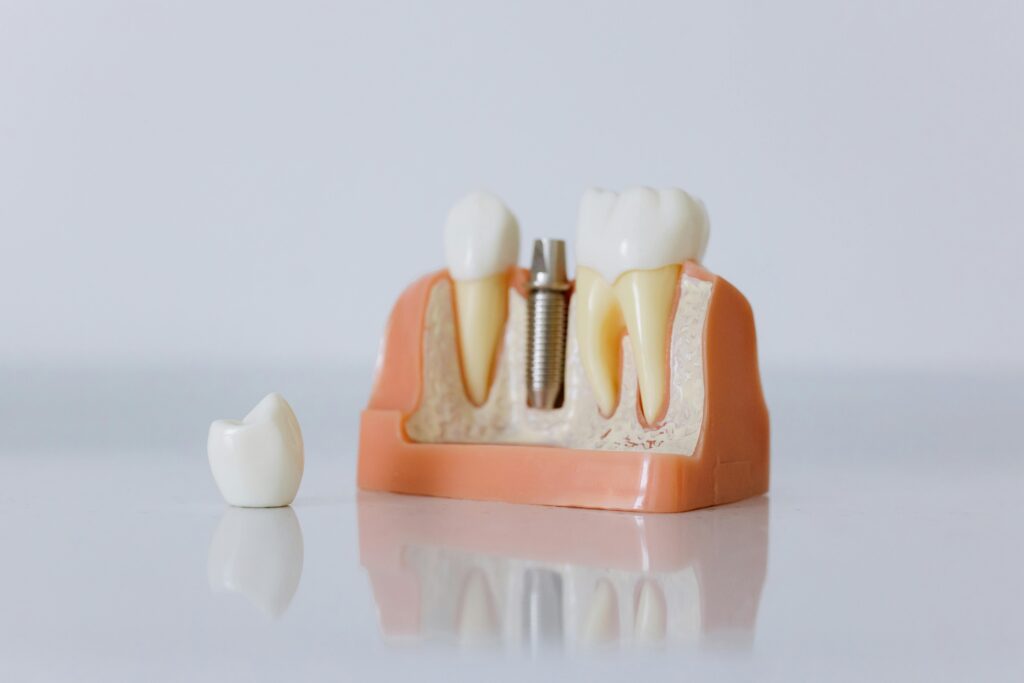
A dental implant is a titanium or titanium-alloy post placed in the jawbone to act as an artificial tooth root. Once it integrates with the bone, it becomes a stable anchor. That anchor can hold a single crown, support a bridge, or retain a full denture.
This is what makes implants fundamentally different from adhesives and denture adjustments. Instead of trying to improve grip on a shifting gum surface, implants create fixed points of retention directly in the bone. The denture, or fixed prosthesis, no longer depends only on suction and soft tissue for support.
From a patient’s perspective, the most noticeable changes are usually these:
- less movement while eating and speaking
- less reliance on adhesive
- improved bite confidence
- reduced sore spots from rubbing
- better overall security in social settings
The emotional effect can be just as significant as the physical one. Many patients do not realize how much mental energy they spend managing a loose denture until that constant background worry is gone.
Replacing loose dentures does not always mean giving up dentures entirely
One of the biggest misunderstandings is that implants and dentures are opposites. They are not. In fact, some of the most successful treatments involve keeping a denture, but making it implant-supported.
That distinction matters because “replace loose dentures” can mean two different things. It can mean replacing a traditional, unstable denture with an implant-retained denture that snaps in securely. Or it can mean replacing a removable denture altogether with a fixed full-arch prosthesis that stays in the mouth and is removed only by the dentist.
Both options use implants. They just solve the problem in different ways.
The implant-retained overdenture
This approach is often the most practical next step for someone who already wears dentures and wants better stability without moving straight into a fully fixed restoration. A lower overdenture may be retained by two to four implants, depending on anatomy and design. An upper overdenture may require more implants because the bone is often less dense in the upper jaw and the forces are different.
The denture can snap onto attachments connected to the implants. It is still removable for cleaning, but it does not float around during use the way a conventional denture can. For many patients, this is life-changing. Corn on the cob might still be ambitious in some cases, but salads, sandwiches, grilled chicken, and social dining become much easier.
The fixed implant bridge
This option appeals to patients who want the closest thing to having teeth that stay in all the time. A fixed full-arch bridge is attached to multiple implants and is not removed at home. It often feels more natural psychologically because there is no daily snap-in or snap-out routine. It also avoids coverage of the palate in many upper full-arch cases, which some people find far more comfortable.
That said, fixed treatment usually requires more planning, more implants, and a larger financial investment. It also places higher demands on oral hygiene and maintenance. Patients need the dexterity and commitment to clean under the prosthesis carefully every day.
Who is a good candidate
Most adults with loose dentures can at least explore implant options, but candidacy is not automatic. The first issue is bone. Enough height and width are needed to place implants safely. Even when bone has been lost, grafting may make treatment possible, though not every patient wants or needs that added step.
General health matters too. Well-controlled diabetes is often manageable. Smoking is a more complicated variable because it can affect healing and long-term implant success, especially in full-arch cases. Certain medications, prior radiation therapy to the jaws, and untreated gum disease can also influence the plan.
Age by itself is rarely the barrier people think it is. A healthy 74-year-old may be a much better implant candidate than a medically fragile 52-year-old. What matters more is healing capacity, bone condition, and whether the patient can maintain the result.
There is also the question of goals. Some people say they want “permanent teeth,” but when you unpack what they really mean, they may simply want to stop using adhesive and feel comfortable in restaurants. In that scenario, an overdenture can be a smarter and more economical answer than a fixed bridge. Good treatment planning starts with the patient’s daily frustrations, not with a one-size-fits-all package.
What the process usually looks like
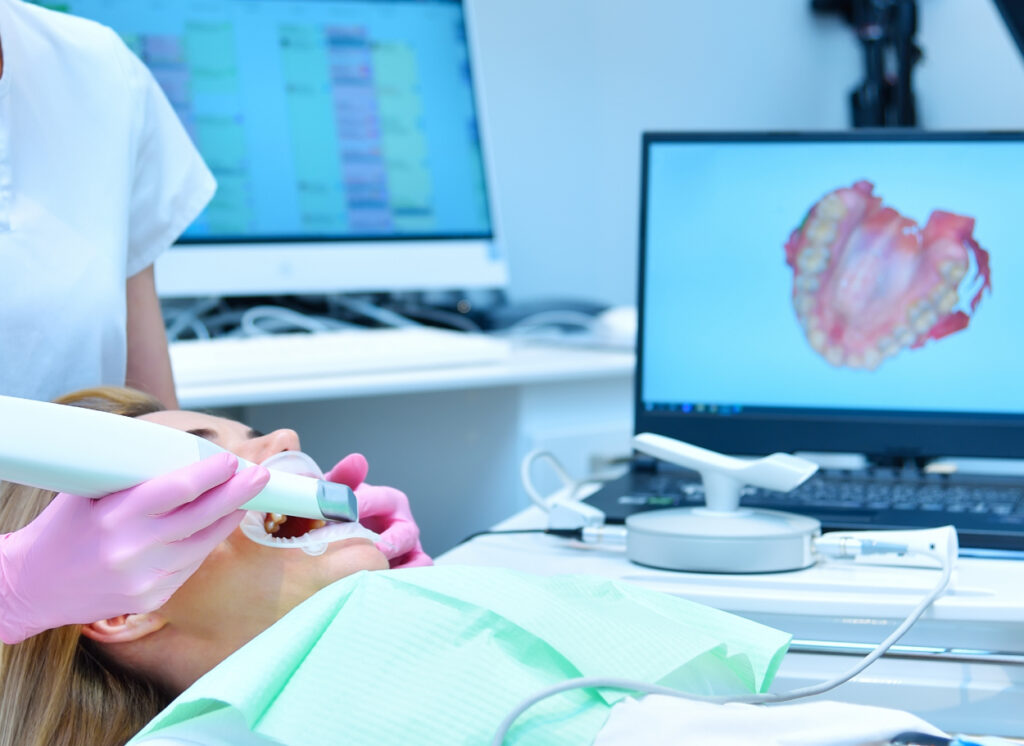
Treatment can be surprisingly straightforward, but it is never identical for every patient. A thorough consultation usually includes an exam, digital imaging, discussion of current dentures, and a review of medical history. If the existing denture is poorly designed or very worn, that has to be factored in too. Sometimes the problem is not just looseness. The bite may be off, the teeth may be positioned poorly, or the acrylic may be near the end of its service life.
In broad terms, treatment tends to move through a few predictable phases:
- evaluation and imaging
- implant placement
- healing and integration
- attachment of the denture or fixed prosthesis
- maintenance and follow-up adjustments
Some patients receive a temporary solution while implants heal. Others can transition more quickly, depending on implant stability and the treatment design. Immediate loading can be possible in certain full-arch cases, but it is not the right move for everyone. The jaw has to offer enough initial stability, and the bite forces have to be managed carefully.
The planning stage is where experience matters. A technically successful implant case can still disappoint a patient if the bite feels awkward, the teeth look too bulky, or speech sounds different than expected. Replacing loose dentures is not just a surgical project. It is also a prosthetic one, and the prosthetic design often determines whether the final result feels natural in day-to-day life.
The lower arch is where implants often make the biggest difference
If someone can only treat one arch at first, the lower denture is often the one that benefits most dramatically from implants. That is not a rule, but it is a common pattern. A conventional lower denture tends to be the least stable and the most frustrating. Even two implants in the lower jaw can improve retention far more than many patients expect.
I have heard patients describe this shift in very ordinary terms. One man said the first thing he noticed was that he could laugh without bracing the denture with his tongue. Another patient said she stopped planning restaurant orders around “safe foods.” Those are not dramatic clinical metrics, but they are meaningful. They show what treatment is supposed to accomplish in real life.
Upper dentures can also be transformed by implants, especially when looseness, palate coverage, or gagging is a major issue. But the lower arch is often where stability changes from “manageable” to “finally dependable.”
Bone loss and facial support deserve more attention than they get
People often focus on whether implants will stop the denture from moving, but there is another issue underneath that, bone loss. Traditional dentures do not stimulate the jawbone the way natural teeth or implants do. As the ridge resorbs, the shape of the lower face can subtly change. Lips lose support. The distance between nose and chin can shorten. Fine lines around the mouth may seem more pronounced.
Implants cannot turn the clock all the way back, especially if significant bone has already been lost, but they can help preserve remaining bone in the areas where implants are placed. That matters not only for function, but for long-term oral anatomy.
This is one reason many dentists recommend not waiting until a denture is nearly unwearable before looking at implant support. The earlier the conversation happens, the more options are usually on the table.
Cost is real, and patients deserve a clear-eyed discussion
No serious article on this topic should pretend cost is a minor detail. For many households, it is the deciding factor. Implant treatment is an investment, and the range can be wide depending on how many implants are needed, whether grafting is required, and whether the final restoration is removable or fixed.
A two-implant lower overdenture typically costs far less than a full fixed arch on multiple implants. That does not make it inferior. In the right case, it may be the most sensible use of resources. On the other hand, if a patient strongly dislikes removable teeth, has the anatomy to support fixed treatment, and is prepared for the maintenance and expense, a fixed bridge may offer greater satisfaction.
The key is to compare value, not just price. Denture relines, remakes, adhesive use, repeated sore spot visits, and years of compromised eating also carry costs, some financial and some personal. A patient who has struggled with unstable dentures for a decade often sees the economics differently than someone replacing teeth for the first time.
Trade-offs patients should understand before choosing implants
Implants solve many problems, but they do not create a perfect, maintenance-free mouth. Patients are happiest when they understand that from the outset.
An implant-retained overdenture still has components that wear over time. The small attachment inserts may need periodic replacement. The denture base can still need adjustment if tissues change. A fixed full-arch bridge can feel wonderfully stable, but it requires careful cleaning under the prosthesis. Food can trap in areas that are not visible in the mirror. If a patient has limited hand skills, this becomes a practical concern, not a minor one.
Speech can also shift briefly during the adaptation period. Most people adjust well, but any major change to tooth position, palate contour, or bite can affect certain sounds at first. The best clinicians plan for this and fine-tune the prosthesis rather than dismissing the complaint.
There is also the possibility that a patient wants implants but does not have enough bone for the ideal plan without grafting. Sometimes the right answer is to modify the design. Sometimes it is to stage treatment. Sometimes it is to be honest that a simpler implant-supported removable option will be more predictable than a heavily marketed fixed concept.
What to ask during a consultation in Calabasas
If you are considering Dental Implants Calabasas CA for loose dentures, the consultation should feel specific to your mouth, not scripted. The dentist should explain what is causing the looseness, what type of implant solution fits your anatomy, and what maintenance will be required over time.
A strong consultation usually addresses how many implants are recommended and why, whether bone grafting may be needed, how your current denture factors into the plan, what the timeline looks like, and what kind of result is realistic for chewing and comfort. It should also cover what happens if an existing denture is too worn to convert or reuse.
Patients sometimes hesitate to ask practical questions, but those are often the most important ones. Will I still remove this at night? Will I need adhesive at all? How do I clean it? If something loosens, is that a simple repair or a major setback? These questions get to the heart of what daily life will look like after treatment.
Why one person’s success story may not match another’s
Implant dentistry attracts dramatic before-and-after stories, and some of them are genuine. But two patients with “loose dentures” can have very different starting points. One may have decent bone and a relatively new prosthesis. Another may have severe ridge resorption, a collapsed bite, and a denture that should have been replaced years ago. Their treatment paths will not look the same, and neither will their costs.
That is why comparisons can be misleading. A friend may say she got “snap-ins” and loves them, but her anatomy, chewing habits, and esthetic expectations may be completely different from yours. Another patient may insist you should skip removable options and go straight to fixed teeth, but that recommendation may reflect his preferences more than your needs.
Personalized planning matters more than labels. The right solution is the one that balances stability, hygiene, appearance, function, and budget in a way that fits your life.
When loose dentures might not need full replacement yet
Not every unstable denture immediately calls for implants. Sometimes a reline or remake is still appropriate, particularly if the dentures are older, the bite is off, or they were never made well to begin with. If the looseness is recent and the anatomy still offers decent support, conventional improvements may buy meaningful time.
Still, when looseness keeps returning despite adjustments, or when a patient avoids normal foods and social situations because of denture insecurity, it is worth discussing implants seriously. Repeatedly patching the same problem can become more frustrating than addressing it directly.
There is a practical threshold where a patient moves from “occasionally annoyed” to “daily limited.” That threshold is often where implant therapy becomes not just desirable, but Dental Implants Calabasas CA sensible.
The answer most patients are really looking for
Can dental implants replace loose dentures? Yes, very often they can. Sometimes they replace the looseness while keeping a removable denture in place more securely. Sometimes they replace the removable denture entirely with a fixed alternative. The best option depends on anatomy, goals, and finances, but the central idea is the same: implants create stability where conventional dentures rely on soft tissue and hope.
For many people in Calabasas, the most meaningful benefit is not cosmetic, though appearance often improves too. It is the return of ordinary confidence. Eating without hesitation. Speaking without monitoring every movement. Smiling without wondering whether the denture is shifting.
That is the real measure of success. Not whether a treatment sounds advanced, but whether it makes daily life feel easier, steadier, and more normal again.
Oaks Dental
5000 Parkway Calabasas, Suite 308
Calabasas, CA 91302, United States
Phone: +1 (818) 412-8349
FAQ About Dental Implants Calabasas CA
How much does a dental implant cost in California?
Costs vary with the number of teeth replaced, restoration type, imaging, and any extractions or bone grafting. Request an itemized estimate after an examination; a single advertised price may not include every treatment stage.
Can people with autoimmune disease get dental implants?
Some people may qualify, but the condition, medications, oral health, and healing risks require individual assessment. Share your medical history with your dentist, who may coordinate with your treating physician.
Can you have dental implants if you have osteopenia?
Osteopenia does not by itself establish whether implants are suitable. Your dentist must evaluate jawbone support and review bone-related medications and other risks before recommending treatment.