100 Veneers Calabasas CA Ideas for a Brighter, More Confident Smile
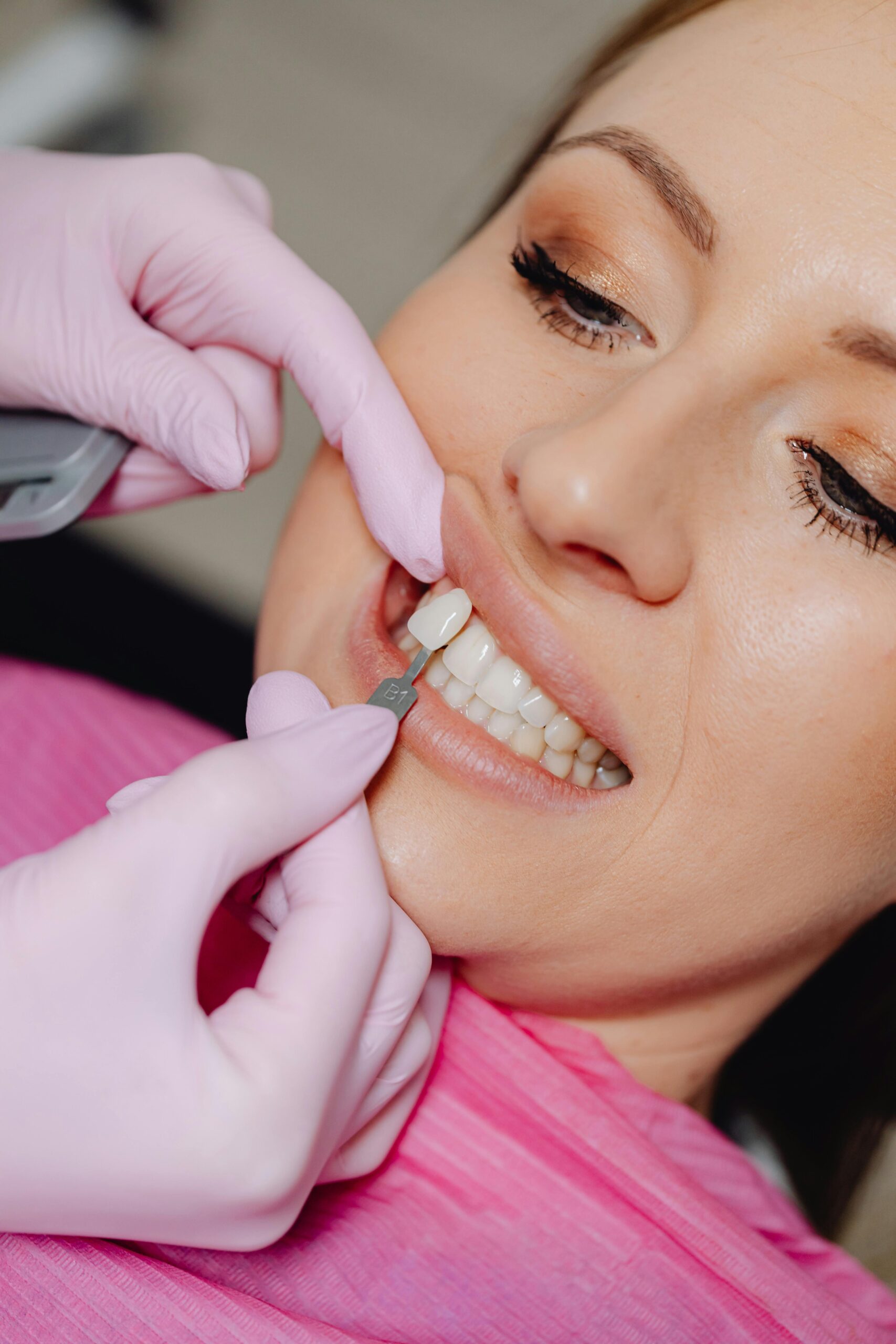
A great smile changes more than photographs. It changes how people hold eye contact, how they laugh in a meeting, how willingly they say yes to a dinner invitation, and how often they stop covering their mouth when they talk. That is the real appeal of veneers. They are not just about whiteness or symmetry. They are about restoring ease.
For patients exploring Veneers Calabasas CA, the conversation usually starts with appearance, but it rarely ends there. Some people want to repair chips from https://rentry.co/oz8d5rug years of grinding. Others are tired of stubborn discoloration that whitening never fixed. Some have one front tooth that has always looked slightly turned or too small, and after years of noticing it in every mirror, they are finally ready to correct it. Veneers can address all of those concerns, but the most successful cases come from careful planning rather than a quick cosmetic decision.
The title says “100 ideas,” and that spirit fits the topic. There are countless ways to refine a smile with veneers, from subtle changes that no one can quite identify to dramatic smile makeovers that reset the whole face. The key is judgment. The best veneer work never looks like veneer work. It looks like the patient, only rested, balanced, and more confident.
Why veneers remain one of the most requested cosmetic treatments
Porcelain veneers have earned their reputation because they solve several visual problems at once. A single treatment plan can improve color, shape, size, minor spacing, and slight misalignment. For the right patient, that combination is hard to match. Orthodontics can move teeth beautifully, and whitening can brighten enamel, but veneers offer a broader design tool when multiple issues overlap.
In practice, the appeal often comes down to efficiency. A patient with worn edges, old bonding, uneven front teeth, and deep staining may need a series of separate treatments to get the same overall effect without veneers. Veneers can streamline that process when the teeth are healthy and the case is well planned.
That said, veneers are not the answer to every cosmetic complaint. If the main issue is significant crowding or bite instability, straightening the teeth first may be wiser. If a patient has active gum disease, untreated decay, or heavy nighttime grinding without protection, it is better to stabilize oral health before discussing cosmetic enhancement. Good cosmetic dentistry starts with restraint.
What patients in Calabasas often want from a smile makeover
Aesthetic preferences are personal, but certain patterns show up often. In Calabasas, many patients ask for brightness without the chalky, overly opaque look that became popular for a while on social media. They want teeth that look healthy, expensive, and believable. That usually means a lighter shade than nature gave them, but not a flat white wall across the front of the mouth.
Another common request is softness. Harsh square edges can make a smile look artificial, especially on faces with delicate features. Slight rounding at the corners, subtle translucency near the incisal edge, and careful control of width-to-length proportions can make a smile look polished rather than manufactured.
Age matters too. Younger teeth naturally show more translucency, texture, and edge character. Mature smiles often benefit from a bit more structure and brightness, especially if years of wear have shortened the front teeth. The right veneer design should respect those realities instead of imposing the same template on everyone.
Veneers are part art, part engineering
People sometimes think cosmetic dentistry is mostly shade selection. In reality, veneers demand a blend of facial analysis, bite evaluation, lab communication, and material science. A beautiful veneer that chips because the bite was ignored is not a successful veneer. A durable veneer that looks bulky or opaque is not successful either.
The dentist has to study how the lips move when the patient speaks and smiles. Tooth display at rest matters. Gum symmetry matters. Midline matters, though not always in the rigid way people expect. In some cases, a slightly imperfect midline still looks harmonious if it aligns with the face naturally. Small deviations can be acceptable. Large, obvious discrepancies are not.
Phonetics matter more than patients realize. The way the front teeth touch the lower lip during “F” and “V” sounds helps determine length. The way the upper and lower teeth relate during speech helps refine edge position. A smile that looks good in a still photo but feels strange when speaking has missed an important part of the job.
Then there is the technical side. Porcelain selection, bonding protocol, enamel preservation, temporary design, and laboratory artistry all affect the final result. This is why veneers should never be approached like a commodity purchase.
The difference between a natural result and an obvious one
Most people can spot poor veneers from across a room, even if they cannot explain why. The smile seems too solid, too uniform, too big for the face, or too bright in a way natural teeth are not. Usually the issue is not veneers themselves. It is planning.
Natural-looking veneers tend to share a few traits. They fit the face. They vary just enough in surface texture and light reflection to avoid looking flat. They do not all have identical shapes. The central incisors carry presence, the laterals add grace, and the canines provide transition and strength. When those roles get blurred, the smile loses realism.
Proportion matters, but it should never become a mathematical prison. I have seen cases where someone chased idealized ratios and ended up with front teeth that looked stiff because the design ignored lip posture and facial character. Dentistry is not graphic design on a screen. Teeth live inside a dynamic, expressive face.
The best compliments patients receive after veneers are often indirect. People say they look refreshed, younger, healthier, or more put together. They do not say, “Who made your veneers?” unless they are specifically interested in cosmetic dentistry.
Where veneers shine, and where they do not
Veneers are excellent for the front teeth when the underlying structure is reasonably sound. They work especially well for intrinsic staining, chipped corners, worn edges, small gaps, peg laterals, and modest shape discrepancies. They can also help create a more balanced smile when one or two front teeth are out of harmony with the rest.
They are less ideal when a tooth already has a very large filling, extensive fracture lines, or major structural loss. In those situations, a full-coverage crown may be more predictable. Patients sometimes resist hearing that because veneers sound more conservative, and often they are. But conservation only helps when enough strong tooth remains to support the restoration safely.
Grinding is another important consideration. Many patients who seek cosmetic treatment also clench at night, often without realizing it. You can usually see the evidence in flattened edges, craze lines, or muscle tension. Veneers are durable, but they are not indestructible. A night guard may be part of the long-term plan, and that is not a sign of weakness in the treatment. It is a sign that the dentist is protecting the investment.
Smile design ideas that actually make a difference
There are far more than 100 ways to tailor a veneer case, but several design moves repeatedly produce meaningful improvement when they are chosen for the right face and bite.
- Brighten the shade while keeping natural translucency at the edges, which avoids the overly solid “piano key” effect.
- Lengthen worn front teeth slightly to restore youthful display and improve smile balance.
- Close small spaces without making every tooth look too wide, often by distributing the change across multiple teeth.
- Refine asymmetrical edges or shapes so one front tooth no longer distracts from the whole smile.
- Soften or sharpen contours depending on facial features, gender expression, and the patient’s aesthetic preference.
Each of these sounds simple on paper. None is simple in the chair. Even a half millimeter can change the way a smile reads. That is why mock-ups and provisional restorations matter so much. They let the patient test-drive the concept before porcelain is finalized.
Minimal prep, no prep, and the truth behind conservative veneers
“Minimal prep” and “no prep” are powerful phrases in cosmetic dentistry. They appeal to common sense, and in some cases they are absolutely appropriate. If a patient has naturally small teeth with spaces, adding porcelain with little to no reduction can be elegant and conservative.
But conservative treatment is not defined only by how little enamel is removed. It is also defined by how well the final shape fits the face and bite. If no-prep veneers make teeth bulky, push the lips outward, or create strange contours near the gums, the result is not truly conservative. It may save enamel on day one while creating aesthetic or hygiene problems later.
A thoughtful dentist looks at the whole picture. Sometimes a small amount of reduction produces a much more harmonious result and still preserves substantial enamel for strong bonding. Enamel is the ideal bonding surface, so the goal is usually to stay in enamel whenever possible, not to avoid all preparation at any cost.
The appointment sequence patients should expect
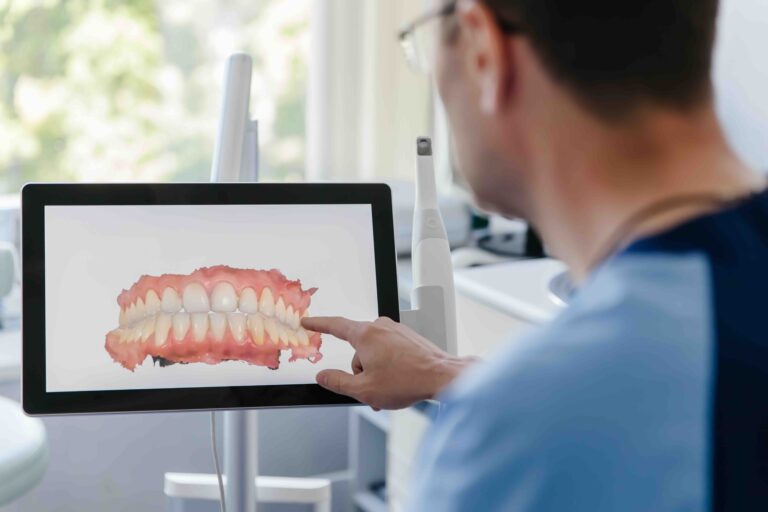
A veneer case should feel organized, not rushed. The process often begins with photographs, digital scans or impressions, and a conversation about goals. Not just “white or whiter,” but what the patient likes in other smiles, what bothers them in their own, and what level of change feels comfortable.
From there, many high-quality cases move into a design phase. Wax-ups or digital previews can help, but the most revealing step is often the mock-up or temporary stage. This is where patients discover practical truths. They may realize they want slightly shorter teeth than they first imagined, or a softer shape, or less dramatic brightness. A good provisional phase prevents expensive regret.
Preparation and bonding appointments vary by case complexity. Some patients receive veneers on six upper front teeth, some on eight or ten, and others combine veneers with whitening or contouring on adjacent teeth. The exact number depends on how wide the smile shows and which teeth are visible during speech and laughter.
How many veneers does someone really need?
This is one of the most important and most misunderstood questions in cosmetic dentistry. The answer is not “as many as possible.” The right number depends on the patient’s smile width, existing tooth color, symmetry, and budget.
For some, two veneers on the central incisors solve the problem beautifully. That is more realistic when adjacent teeth already match well in color and shape. For others, four or six veneers are needed so the transitions do not stand out. Many smile makeovers involve eight to ten upper teeth because that is what shows in a broad smile.
Lower veneers are less common but can be appropriate when lower front teeth are heavily worn, uneven, or highly visible. Some patients need whitening first so untreated teeth do not appear too dark next to the veneers. Others benefit from minor reshaping on neighboring teeth to blend everything together. A credible treatment plan should explain why each tooth is included, not just present a large number.
Cost, value, and what patients are really paying for
Veneers are an investment, and patients deserve a clear explanation of what drives the fee. They are not only paying for pieces of porcelain. They are paying for diagnosis, smile design, tooth preparation, temporary restorations, laboratory craftsmanship, bonding technique, adjustment, follow-up, and long-term planning.
Fees vary widely by region, materials, and provider experience. In an area like Calabasas, where cosmetic expectations are often high and top-tier labs are commonly used, pricing may sit above national averages. That does not automatically make it overpriced. Exceptional ceramics and precise planning cost more because they take more time and involve more expertise.
The lowest quote is rarely the safest quote for elective cosmetic work. Redoing veneers because of poor shape, gum irritation, fractures, or dissatisfaction is usually more complicated than doing them correctly the first time. Revision cases often require additional tooth reduction, new temporaries, and harder decisions. Prevention is cheaper than correction.
Temporary veneers tell you more than you think
Patients sometimes view temporaries as a short waiting phase. In reality, they are one of the most valuable parts of the process. A well-made temporary lets the patient live with the proposed tooth length, phonetics, and smile style. It can reveal whether a certain edge position whistles during speech or whether one lateral incisor still looks too dominant.
This phase is also a chance to assess personality fit. A smile that looks striking in a photo may feel too bold in everyday life for a patient who prefers subtlety. Another patient may see the temporaries and realize they finally want the brighter shade they were hesitant to request. Good dentists listen carefully during this stage. They do not defend the first design as if it were final.
Questions worth asking before choosing a veneer provider
Patients do not need to become dental experts, but they should be informed enough to recognize thoughtful care. These questions often separate a cosmetic process from a cosmetic sales pitch.
- Can I see before-and-after cases that resemble my starting point, not just your best dramatic transformations?
- How do you decide between veneers, bonding, whitening, orthodontics, and crowns for a case like mine?
- Will I be able to preview the proposed smile with a mock-up or temporaries before final porcelain is placed?
- What happens if I grind my teeth or if my bite needs adjustment after placement?
- Which parts of the fee cover the lab, temporaries, follow-up visits, and any minor refinements?
The answers matter as much as the images. A provider who explains trade-offs clearly and does not rush consent is usually a safer choice than someone who promises perfection in a single breath.
Longevity, maintenance, and realistic expectations
Porcelain veneers can last many years, often well over a decade, but no dentist should guarantee them as permanent or maintenance-free. Longevity depends on material selection, bite forces, oral hygiene, diet habits, and whether the patient uses a night guard when indicated.
Veneers do not decay, but teeth can still get decay at the margins if plaque control is poor. Gum health still matters. Smoking, heavy red wine consumption, and neglected hygiene can stain surrounding teeth even if the porcelain remains stable, creating mismatch over time.
Patients should also understand that a veneer case begins a relationship with future dentistry. The restorations may need polishing, bonding touch-ups nearby, occasional bite adjustments, or eventual replacement many years down the road. That does not mean veneers are a bad choice. It means they are real dentistry, not an app filter.
When bonding may be smarter than porcelain
Not every cosmetic flaw deserves porcelain. Direct composite bonding can be excellent for small chips, minor gaps, edge reshaping, and youthful patients who may not be ready for veneers. It is usually less expensive, often completed more quickly, and easier to repair. In experienced hands, bonding can look surprisingly refined.
Its trade-offs are honest ones. Composite generally stains more easily, wears faster, and lacks the optical depth and long-term polish retention of high-quality porcelain. Still, for some patients, it is the prudent first step. A dentist who recommends bonding when it makes sense is showing discipline, not selling less.
The emotional side of smile work
Cosmetic dentistry has a psychological dimension that deserves respect. People bring years of insecurity to these appointments. A patient may casually mention one chipped tooth while actually carrying decades of self-consciousness from old teasing or a bad prior dental experience. Another may arrive with screenshots of celebrity smiles and a lot of pressure to “fix everything,” when what they really need is a more grounded conversation about what will suit their face.
The best veneer consultations slow that down. They create room for taste, restraint, and honesty. Sometimes the right plan is eight porcelain veneers. Sometimes it is whitening, contouring, and one carefully shaped restoration. The goal is not to make every smile look expensive. The goal is to make it look right.
A brighter smile should still look like you
The strongest veneer cases preserve identity. Friends notice a positive change, but they still recognize the person smiling at them. That balance is what separates quality cosmetic dentistry from trend-driven over-treatment.
For anyone considering Veneers Calabasas CA, the smartest path is to seek a dentist who treats smile design as both a clinical discipline and a personal collaboration. Ask to see work that looks natural. Ask how the bite will be evaluated. Ask what alternatives exist. Pay attention to whether the provider studies your face when you speak, not just your teeth when you sit still.
Veneers can absolutely create a brighter, more confident smile. They can also restore proportions, repair wear, and make a person feel more at ease in every room they enter. But the real magic is not in making teeth look perfect. It is in making the smile feel believable, comfortable, and fully your own.
Oaks Dental
Address: 5000 Parkway Calabasas Ste 308, Calabasas, CA 91302
Phone number: +18184312000
FAQ About Veneers Calabasas CA
How much do veneers actually cost?
In the United States, dental veneers generally cost between $250 and $2,500 per tooth, while a full set typically runs anywhere from $6,000 to $25,000. Because the procedure is classified as cosmetic and elective, dental insurance almost never covers it.
How long do dental veneers last?
Dental veneers last a long time, but they are not permanent. They mainly depend on two key types: porcelain veneers and composite veneers. On average, porcelain types last 10 to 15 years, while composite types last 5 to 7 years before they need a fix or a new set.
What is the downside of having veneers?
The main downsides of dental veneers are that the process is permanent, they can cause tooth sensitivity, and they are costly to replace.